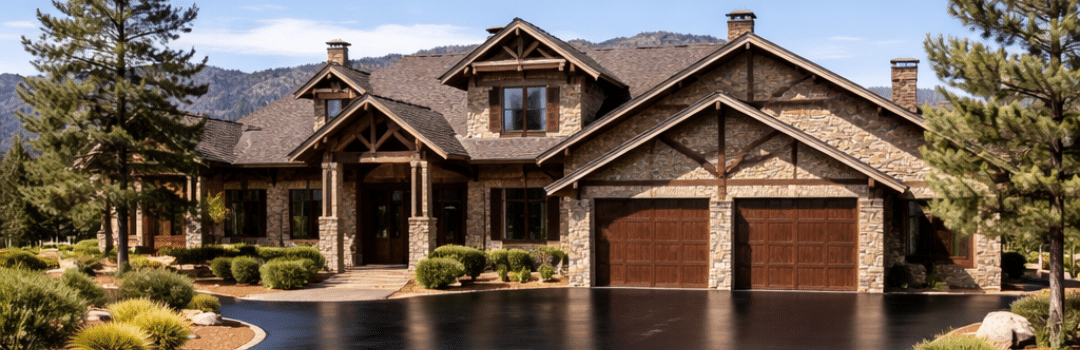
Colorado driveways face some of the harshest weather conditions in the country. Intense sun, freezing temperatures, snow, ice, and sudden temperature swings all work against asphalt surfaces year-round. Even a driveway that looks solid today can begin breaking down faster than expected if it is not properly protected.
Sealcoating is one of the most effective ways to preserve asphalt and extend its lifespan, but timing matters. Apply it too late, and cracks or surface wear may already be developing. Apply it at the right intervals, and you can protect your driveway from costly repairs while maintaining curb appeal.
Table of contents
Why Sealcoating Matters in Colorado’s Climate
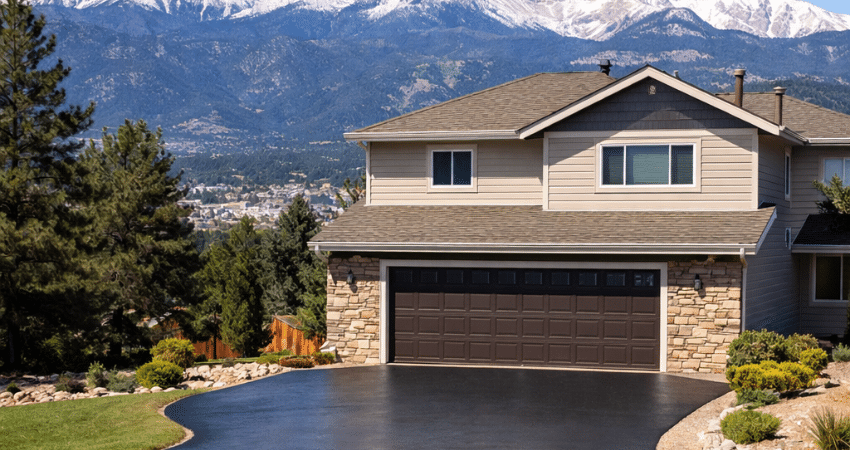
Colorado’s climate creates constant stress on asphalt. High elevation means stronger UV exposure, which dries out the oils in asphalt and makes the surface brittle over time. Winter adds another challenge, as snowmelt and moisture seep into small surface openings and expand when temperatures drop.
Without protection, asphalt gradually loses flexibility and becomes more vulnerable to cracking, fading, and surface deterioration. Sealcoating creates a barrier that helps block moisture, slow oxidation, and reduce damage caused by weather and vehicle traffic.
Protection Against UV Exposure
Strong sunlight can dry asphalt faster in Colorado than in lower-elevation regions. Sealcoating helps preserve the binders that keep asphalt flexible.
Moisture Defense During Freeze-Thaw Cycles
Water entering the surface becomes especially damaging when it freezes and expands repeatedly during winter.
General Sealcoating Timeline for Colorado Driveways
Most residential driveways in Colorado benefit from sealcoating every two to three years, but the ideal schedule depends on several factors including weather exposure, vehicle use, drainage, and the overall condition of the asphalt. Colorado’s combination of strong sun, winter snow, and freeze-thaw cycles often causes asphalt to age faster than homeowners expect, which is why routine maintenance matters.
Sealcoating should be viewed as part of a long-term preservation plan rather than a one-time service. A consistent schedule helps protect the surface before visible deterioration begins.
New Asphalt Timing
A newly installed driveway usually should not be sealcoated immediately. Fresh asphalt needs time to cure before a protective coating is applied because the surface must release excess oils and fully harden.
Most new driveways should wait six to twelve months before the first sealcoat so oils can properly cure. Applying sealcoat too early can trap those oils and interfere with proper bonding, reducing the effectiveness of the coating.
Established Driveways
Older driveways generally benefit from a regular maintenance schedule every few years to keep protection consistent. Once the first sealcoat has been applied, maintaining the surface on schedule helps slow oxidation and reduce moisture penetration.
Driveways exposed to harsher conditions, such as direct sun or frequent snow accumulation, may need closer monitoring to determine if the next application should happen sooner than the standard timeline.
Signs Your Driveway May Need Sealcoating Sooner
Some driveways need attention earlier than expected, especially if they receive heavy sun exposure, experience drainage problems, or have already begun showing surface wear. Paying attention to early warning signs helps homeowners address asphalt aging before cracks deepen or repairs become more expensive.
A driveway does not need major visible damage to benefit from sealcoating. In many cases, subtle changes in appearance and texture indicate that the protective surface is already weakening.
Fading Color
Asphalt naturally loses its rich black appearance over time. A gray or dull surface often indicates oxidation, which means the oils that keep asphalt flexible are gradually breaking down.
This fading is often one of the earliest visual signs that sealcoating protection is wearing off.
Fine Surface Cracks
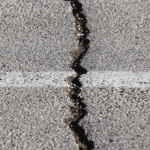
Small cracks are often early warning signs that the surface is losing protection. Even narrow hairline cracks allow moisture to begin entering the asphalt, especially during rain or snowmelt.
In Colorado, these cracks can expand quickly once winter freezing begins.
Rough Texture
When asphalt begins feeling dry, coarse, or slightly brittle underfoot, sealcoating may be overdue. A rougher texture usually signals that the surface has lost some of its natural flexibility and protective oils.
Catching these signs early helps prevent larger repairs later and keeps the driveway looking cleaner and better maintained overall.
Factors That Affect Sealcoating Frequency
Not every driveway ages at the same rate. While most Colorado driveways benefit from sealcoating every two to three years, local conditions can shorten or extend that timeline. The amount of sunlight, moisture exposure, daily use, and even winter maintenance habits all influence how quickly asphalt loses protection.
Understanding what affects your specific driveway helps determine whether sealcoating should happen on a standard schedule or sooner to prevent early deterioration.
Sun Exposure
Driveways with full southern or western sun often deteriorate faster because UV exposure is more intense. Colorado’s high elevation increases ultraviolet strength, which speeds up oxidation and causes asphalt to dry out more quickly than in lower-altitude climates.
Over time, this constant sun exposure breaks down the oils that keep asphalt flexible, making the surface fade and become more brittle.
Drainage Conditions
Standing water shortens sealcoat life and increases asphalt stress. If water regularly collects in low spots or near the edges of the driveway, it has more time to penetrate small surface openings and weaken the pavement underneath.
Poor drainage becomes especially damaging during freeze-thaw cycles, when trapped moisture expands and places pressure on the asphalt structure.
Vehicle Traffic
Frequent parking, heavier vehicles, or repeated turning movements create more wear. Driveways that regularly support large trucks, trailers, or multiple vehicles often show faster surface wear than lightly used residential driveways.
Areas where tires repeatedly turn in place, such as near garage entrances, often lose sealcoat protection sooner than other sections.
Snow Removal Practices
Metal shovels or aggressive snow removal equipment can wear down surface coatings more quickly. Repeated scraping across the driveway surface may gradually remove protective sealcoat, especially during long winters.
Using plastic shovels when possible and avoiding unnecessary scraping pressure can help preserve the coating longer between applications.
Why Waiting Too Long Can Be Costly
Sealcoating works best as preventative maintenance, not as a way to correct existing damage. Once asphalt begins to break down beyond the surface, the protective value of sealcoating alone becomes limited because repairs must be completed first. Homeowners who wait until visible damage is widespread often face higher costs, more extensive repairs, and a shorter overall driveway lifespan.
Colorado’s freeze-thaw cycles make timing especially important. Small issues that appear manageable in late summer can become much more serious after one winter if moisture is allowed to continue penetrating the surface.
Small Cracks Become Larger Problems
Unsealed asphalt allows moisture to penetrate deeper into the pavement structure. What begins as a fine surface crack can widen as water repeatedly freezes and expands beneath the surface, placing pressure on the surrounding asphalt.
As vehicle weight passes over weakened areas, those cracks often spread quickly and begin connecting into larger fracture patterns that are much more expensive to repair.
Surface Deterioration Accelerates
Oxidized asphalt loses flexibility and becomes more prone to winter cracking. As natural oils continue to break down under Colorado’s strong sun, the surface becomes brittle and less able to handle temperature changes.
Once brittleness sets in, normal daily stress from vehicles and seasonal weather can cause the surface to wear faster, roughen, and lose structural strength.
Delayed Maintenance Increases Repair Costs
A driveway that could have been protected with routine sealcoating may eventually require crack filling, patching, or even partial resurfacing if maintenance is postponed too long.
Addressing asphalt early almost always costs less than waiting for visible damage to worsen, especially in Colorado where weather conditions accelerate deterioration year after year.
Best Time of Year to Sealcoat in Colorado
Colorado’s short weather windows make timing especially important.
Late Spring Through Early Fall
Sealcoating works best when temperatures stay consistently warm and dry.
Avoiding Cold or Wet Conditions
Sealcoat needs proper curing time, and cold nights can interfere with bonding.
Dry weather improves application quality and durability.
Crack Repair vs. Sealcoating: Why Both Matter
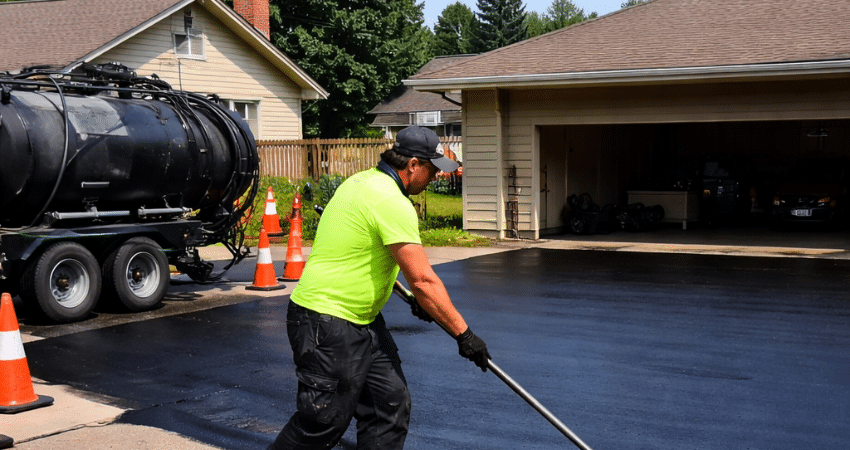
Sealcoating and crack repair work together, but they serve different purposes. Sealcoating protects the surface of the asphalt from UV exposure, moisture, and daily wear, while crack repair addresses openings that already allow water to enter below the surface. If cracks are ignored and sealcoat is applied over them, moisture can remain trapped underneath and continue damaging the pavement from within.
For Colorado driveways, this combination is especially important because freeze-thaw cycles quickly turn minor cracks into larger structural issues. Proper preparation before sealcoating helps ensure the protective layer performs the way it should.
Crack Filling Before Sealcoating
Filling cracks prevents moisture from being trapped beneath the new coating. Even small cracks should be sealed before applying sealcoat because water that enters these openings can freeze, expand, and continue breaking apart the surrounding asphalt.
Professional crack filling also helps stabilize the surface so the finished coating looks smoother and lasts longer. Without this step, cracks often reappear quickly through the new sealcoat.
Surface Preparation Is Essential
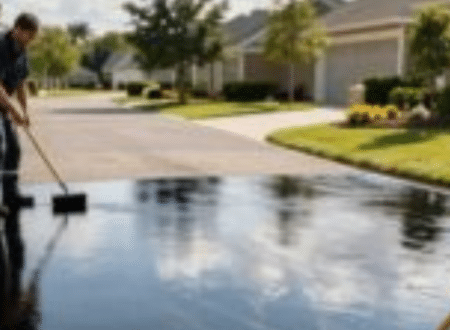
A clean, properly prepared surface allows sealcoat to bond correctly and last longer. Dirt, oil spots, loose debris, and old residue can interfere with adhesion, causing uneven coverage or premature wear.
Driveways should be thoroughly cleaned and allowed to dry fully before application. In some cases, heavily worn areas may need additional surface preparation to ensure the coating cures evenly and delivers full protection.
Long-Term Protection Requires Both Steps
The combination of crack repair and sealcoating offers the best long-term protection because it addresses both current vulnerabilities and future exposure. Crack filling stops active damage, while sealcoating adds a protective barrier that helps slow new deterioration.
When both services are performed together on the right schedule, homeowners often see longer driveway life, fewer repairs, and better overall appearance year after year.
Recommended Maintenance Schedule for Colorado Homeowners
| Maintenance Service | Recommended Frequency |
|---|---|
| Visual driveway inspection | Annually |
| Crack filling | As needed, often yearly |
| Sealcoating | Every 2–3 years |
| Professional assessment | Every few years |
A proactive schedule helps prevent expensive resurfacing later.
Professional Sealcoating Makes a Difference
Proper application affects how long the sealcoat performs. Uneven coverage, poor preparation, or incorrect timing can shorten the duration of protection. Professional contractors understand surface preparation, local climate timing, and product performance specific to Colorado conditions.
This results in stronger adhesion and longer-lasting protection.
Conclusion: Sealcoating at the Right Time Protects Your Investment
Sealcoating is one of the most cost-effective ways to protect a driveway in Colorado. With regular maintenance every two to three years, homeowners can slow aging, prevent cracking, and preserve appearance despite the state’s demanding climate.
Waiting until visible damage appears often means higher repair costs and shorter asphalt life. Staying ahead of maintenance keeps your driveway stronger for years to come.
Hammers Sealcoat & Asphalt
If your driveway is fading, cracking, or due for maintenance, Hammers Sealcoat & Asphalt can help. Their team understands Colorado conditions and provides professional sealcoating services designed to protect asphalt from sun, moisture, and seasonal wear. Contact Hammers Sealcoat & Asphalt today to schedule a driveway evaluation and keep your asphalt looking and performing its best.
How Often Should You Sealcoat a Driveway in Colorado? FAQS
Most driveways benefit from sealcoating every two to three years.
No. New asphalt usually needs six to twelve months to cure before sealcoating.
No. Cracks should be filled separately before sealcoating.
Yes, warm dry weather provides the best curing conditions.
Cracks and oxidation worsen, leading to more expensive repairs.