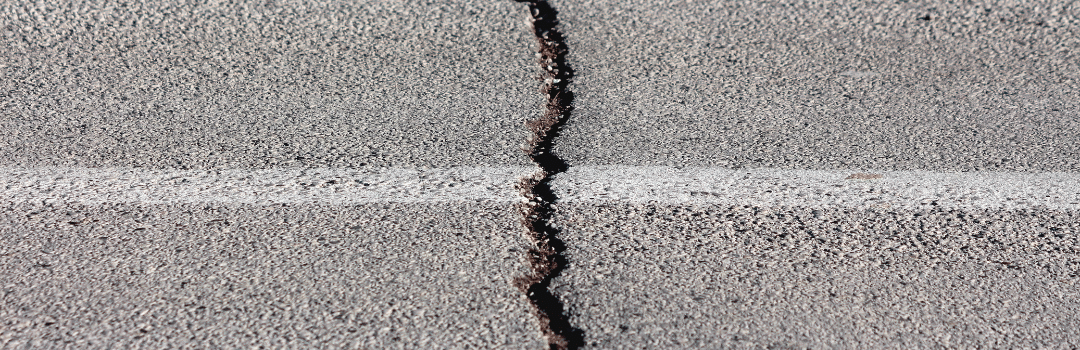
As a property owner in Colorado Springs, you’re likely no stranger to the harsh weather conditions that can wreak havoc on your asphalt pavement. Seemingly minor cracks can quickly escalate into major problems if left untreated, leading to costly repairs and even safety hazards.
Crack sealing is a preventive maintenance process designed to stop cracks from growing. By filling these tiny warning signs, you can protect your asphalt from environmental elements that cause damage. Hammers Seal Coat & Asphalt, a local expert in asphalt preservation, can help you safeguard your pavement.
Timely crack filling can extend the life of your pavement and save you money in the long run. Given Colorado Springs’ unique climate conditions, regular crack filling is particularly important to prevent damage.
Table of contents
- The Hidden Dangers of Untreated Asphalt Cracks
- Colorado Springs’ Climate: A Perfect Storm for Asphalt Damage
- Why Crack Filling Matters in Colorado Springs
- Identifying When Your Asphalt Needs Attention
- The Professional Crack Filling Process
- Key Benefits of Timely Crack Filling
- Financial Advantages of Preventative Maintenance
- Comprehensive Asphalt Maintenance Beyond Crack Filling
- Hammers Seal Coat & Asphalt: Colorado Springs’ Asphalt Preservation Experts
- Conclusion: Protect Your Pavement Investment with Proactive Care
- Why Crack Filling Matters in Colorado Springs FAQs
The Hidden Dangers of Untreated Asphalt Cracks
Asphalt cracks, if left unaddressed, pose significant risks to both pedestrians and vehicles. Untreated cracks can lead to a range of safety hazards and increased liability for property owners.
How Small Cracks Evolve Into Costly Problems
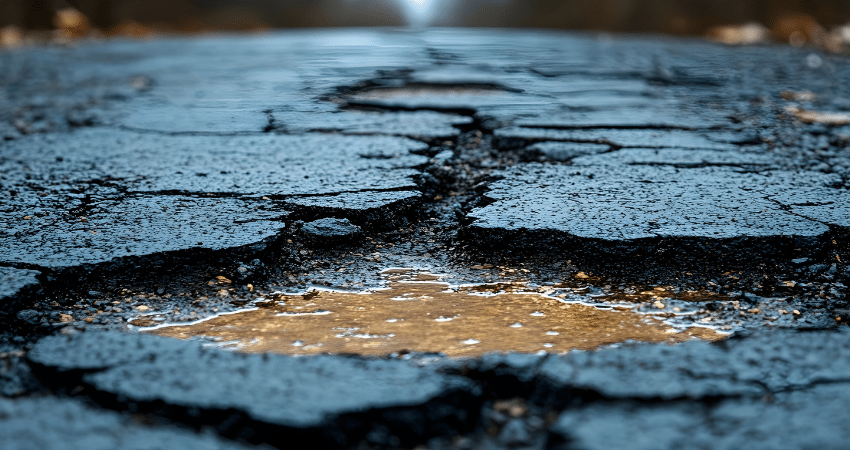
Small cracks can quickly escalate into major issues, requiring costly repairs. Water infiltration through cracks can erode the base material, leading to more extensive damage over time.
Safety Hazards and Liability Concerns
Cracks in asphalt surfaces create tripping hazards for pedestrians and can cause damage to vehicles. This can lead to potential claims against property owners, emphasizing the importance of timely asphalt crack repair in Colorado Springs.
- Trip-and-fall liability risks for property owners
- Potential vehicle damage from uneven pavement
- ADA compliance issues due to deteriorated pavement surfaces
- Hazards created by water pooling in cracked areas during freezing temperatures
By addressing cracks promptly, property owners can significantly reduce their liability exposure and maintain a safer environment for visitors.
Colorado Springs’ Climate: A Perfect Storm for Asphalt Damage
Colorado Springs’ climate is particularly harsh on asphalt pavements. At a high altitude, the city’s weather conditions create a unique set of challenges for asphalt surfaces.
The region’s extreme weather patterns contribute to the deterioration of asphalt. Two significant factors are at play: freeze-thaw cycles and high-altitude UV exposure.
Freeze-Thaw Cycles in the Pikes Peak Region
The Pikes Peak region experiences significant temperature fluctuations, leading to freeze-thaw cycles that can cause asphalt to crack. Water seeps into the asphalt surface, freezes, and expands, creating cracks that can worsen over time. As the ice melts, the asphalt contracts, further exacerbating the damage.
High-Altitude UV Exposure and Oxidation
At a mile above sea level, Colorado Springs receives intense sunlight that rapidly oxidizes asphalt, making it dry and brittle. The UV rays break down the asphalt’s binder, causing it to become prone to cracking. This process is accelerated by the city’s over 300 annual days of sunshine, making regular maintenance crucial to extend the life of the pavement.
Proper crack filling can help protect the remaining asphalt from continued oxidation damage. By addressing cracks promptly, you can prevent further deterioration and ensure the longevity of your pavement.
Why Crack Filling Matters in Colorado Springs
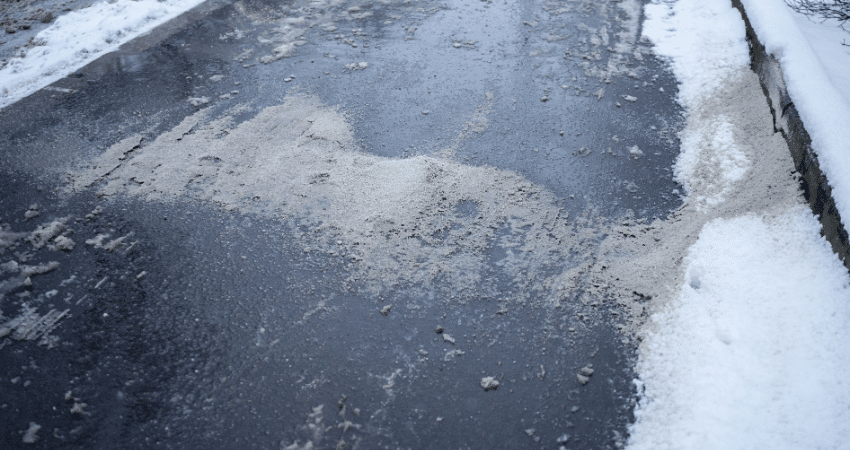
The harsh weather conditions in Colorado Springs make crack filling a vital process for extending pavement life. The city’s climate, characterized by significant temperature fluctuations and high-altitude UV exposure, accelerates the deterioration of asphalt surfaces.
Preventing Water Infiltration and Base Erosion
Sealing cracks early is crucial as it blocks water infiltration, the primary cause of base layer failure. By preventing water from seeping into the pavement, you protect the structural integrity of your asphalt surface.
Extending Pavement Life in Local Conditions
Crack sealing is proven to extend asphalt pavement life by 3 to 7 years. This added protection delays expensive resurfacing or full-depth reconstruction, maximizing the return on your original paving investment. Regular crack filling is a cost-effective strategy for maintaining pavement longevity.
Consider the following benefits of timely crack filling:
- Extends pavement life by 5-7 years in Colorado Springs’ climate
- Provides a cost-effective alternative to reactive repairs
- Maximizes pavement longevity through comprehensive maintenance
| Pavement Condition | Typical Lifespan | Lifespan with Crack Filling |
|---|---|---|
| Well-Maintained | 15-20 years | 20-27 years |
| Poorly Maintained | 10-15 years | 15-22 years |
As emphasized by industry experts, “Regular maintenance, including crack filling, is essential for extending the life of asphalt pavements.” By incorporating crack filling into your maintenance routine, you can significantly prolong the life of your pavement.
Identifying When Your Asphalt Needs Attention
Regular inspections are crucial to maintaining your asphalt’s integrity in Colorado Springs’ challenging climate. By staying vigilant, you can catch issues before they become major problems.
Visual Signs of Deterioration to Watch For
Keep an eye out for cracks, potholes, and uneven surfaces. These visual signs of deterioration indicate that your asphalt needs attention. “Neglecting these signs can lead to more severe damage and costly repairs,” as emphasized by asphalt maintenance experts. Regularly inspecting your asphalt for these issues is a critical step in maintaining its condition.
Seasonal Inspection Recommendations
In Colorado, the best times for crack sealing are spring and early fall, when temperatures are moderate and conditions are dry. Avoid sealing during rainy periods or freezing weather. Conduct inspections at least twice a year, ideally during spring and fall, to identify repairs needed before extreme weather sets in. This proactive approach to crack sealing and inspection can significantly extend the life of your asphalt.
The Professional Crack Filling Process
The key to successful crack filling lies in the preparation and the quality of materials used. In Colorado Springs, professionals understand the importance of a meticulous process to ensure durability and effectiveness.
Preparation and Cleaning Techniques
Before applying any sealants, thorough cleaning of the cracks is essential. This involves removing debris, dirt, and vegetation to ensure proper adhesion of the sealant. Techniques may include wire brushing, blowing out debris, or using specialized cleaning solutions.
Application Methods and Materials
The choice between hot-applied rubberized sealant and cold-pour sealants depends on the application. Hot-applied sealants are ideal for heavy-duty pavements due to their flexibility and durability under extreme stress. Cold-pour sealants are more suitable for residential driveways and pathways. Fiber-reinforced sealants add extra strength and durability to the crack sealing process.
Key Benefits of Timely Crack Filling
The advantages of prompt crack sealing are multifaceted, impacting both property value and environmental sustainability. By addressing cracks in a timely manner, property owners can reap numerous benefits that extend beyond mere aesthetics.
Enhanced Curb Appeal and Property Value
Timely crack filling significantly enhances your property’s curb appeal, making it more attractive to potential buyers or tenants. A well-maintained asphalt surface can boost property value, as it suggests a commitment to overall property upkeep. This is particularly important for commercial properties, where first impressions can greatly influence customer perception.
Environmental Benefits of Pavement Preservation
Crack sealing supports environmental sustainability by extending pavement life and reducing material consumption. The environmental benefits of pavement preservation through crack filling are substantial:
- Reduces the need for raw aggregates, bitumen, and fuel used in asphalt production and transport.
- Minimizes construction debris and lowers landfill use.
- Decreases carbon emissions associated with manufacturing and transporting new asphalt materials.
- Protects water quality by preventing pavement deterioration and erosion.
By choosing regular maintenance over complete reconstruction, you significantly reduce your environmental footprint.
Financial Advantages of Preventative Maintenance
By prioritizing preventative maintenance, you can protect your pavement and your budget from costly repairs down the line. Asphalt paving is a significant capital expense, often costing between $3 to $7 per square foot. Regular crack sealing preserves that investment by preventing deterioration before it requires expensive rehabilitation.
Cost Comparison: Filling vs. Resurfacing
Filling cracks is a fraction of the cost of resurfacing an entire pavement. Industry studies show that every $1 spent on preventive maintenance, like crack sealing, saves $4-$10 in future repairs. This significant return on investment makes regular maintenance a financially sound decision.
Long-Term ROI of Regular Maintenance
Regular maintenance not only extends the life of your pavement but also provides a substantial long-term return on investment. By sealing cracks early, you can add years to the life of your asphalt, delaying the need for costly resurfacing or replacement. This proactive approach helps property managers maximize their pavement investment over time.
Comprehensive Asphalt Maintenance Beyond Crack Filling
Asphalt maintenance goes beyond just filling cracks; it involves a multi-faceted approach to ensure the longevity of your pavement. While crack filling is crucial, other maintenance tasks play a significant role in protecting your investment.
Sealcoating: The Perfect Companion to Crack Filling
Sealcoating is a vital process that complements crack filling by providing a protective layer against the elements. Experts recommend sealing asphalt every 2 to 3 years, depending on climate and traffic conditions. This regular maintenance helps prevent water infiltration and reduces the risk of further damage.
Creating an Effective Maintenance Schedule
To maximize the lifespan of your asphalt, creating a customized maintenance schedule is essential. Factors such as traffic volume, climate exposure, and pavement age should be considered when determining the frequency of maintenance tasks. By coordinating different procedures and adjusting timing based on observed pavement condition, you can ensure optimal protection for your asphalt.
Hammers Seal Coat & Asphalt: Colorado Springs’ Asphalt Preservation Experts
When it comes to protecting your pavement investment in Colorado Springs, Hammers Seal Coat & Asphalt is the go-to expert. With a strong reputation for delivering top-quality asphalt preservation services, they help property owners maintain their pavement’s integrity.
Specialized Equipment and Premium Materials
Hammers Seal Coat & Asphalt utilizes specialized equipment and premium materials to ensure effective asphalt crack sealing and sealing services. Their advanced techniques and high-quality materials guarantee long-lasting results for commercial parking lots and residential communities alike.
Local Experience and Customer Success Stories
With extensive experience serving the Colorado Springs community, Hammers Seal Coat & Asphalt has built a portfolio of successful projects. Their expertise in addressing local challenges, such as freeze-thaw cycles and high-altitude UV exposure, translates to better results for property owners. Customer testimonials and case studies demonstrate the effectiveness of their asphalt preservation services.
Conclusion: Protect Your Pavement Investment with Proactive Care
In Colorado Springs, where weather conditions can be extreme, proactive pavement care is essential. Crack filling is a crucial maintenance task that can significantly extend the life of your asphalt surfaces and protect your investment.
By addressing small cracks early, you can prevent water infiltration, reduce the risk of costly repairs, and maintain your property’s curb appeal. Regular crack sealing is a simple yet effective way to safeguard your pavement against the harsh local climate.
Don’t wait until it’s too late. Schedule an assessment with Hammers Seal Coat & Asphalt today and take the first step towards maximizing your pavement’s lifespan. With their expert services, you can enjoy cost savings, enhanced appearance, and increased safety for years to come.
Why Crack Filling Matters in Colorado Springs FAQs
Asphalt crack sealing is a preventative maintenance technique that involves filling cracks in asphalt pavement with a specialized sealant to prevent water infiltration and further damage. This process helps to maintain the integrity of the pavement and extend its lifespan.
It’s recommended to inspect your asphalt parking lot at least twice a year, in the spring and fall, to identify any cracks or damage caused by freeze-thaw cycles or other factors. Regular inspections can help you catch issues early and prevent costly repairs.
While it’s possible to seal cracks yourself, it’s generally recommended to hire a professional with experience in asphalt maintenance to ensure the job is done correctly. Professionals have the necessary equipment and materials to effectively seal cracks and prevent further damage.
The lifespan of asphalt crack sealing can vary depending on factors such as traffic, weather conditions, and the quality of the sealant used. On average, crack sealing can last for several years, but it’s essential to regularly inspect the pavement and reseal as needed to maintain its integrity.
Yes, sealing cracks in your asphalt parking lot can improve its curb appeal by maintaining a smooth, even surface and preventing further damage. A well-maintained parking lot can also enhance the overall appearance of your property and increase its value.
Asphalt crack sealing can be an environmentally friendly solution when done correctly. By preventing water infiltration and further damage, crack sealing can help reduce the need for more extensive and resource-intensive repairs. Additionally, some sealants are specifically designed to be more environmentally friendly.