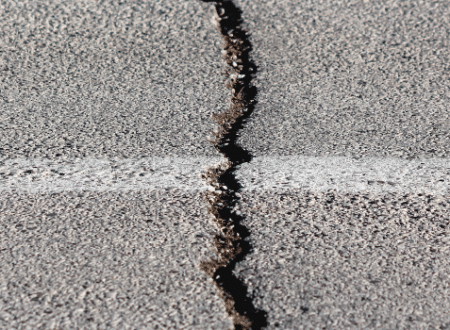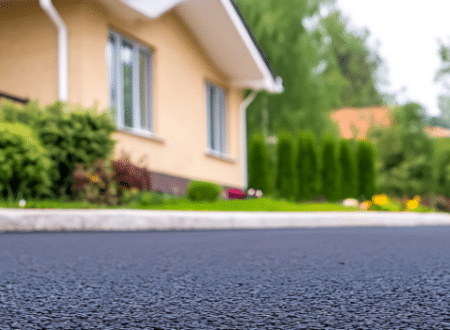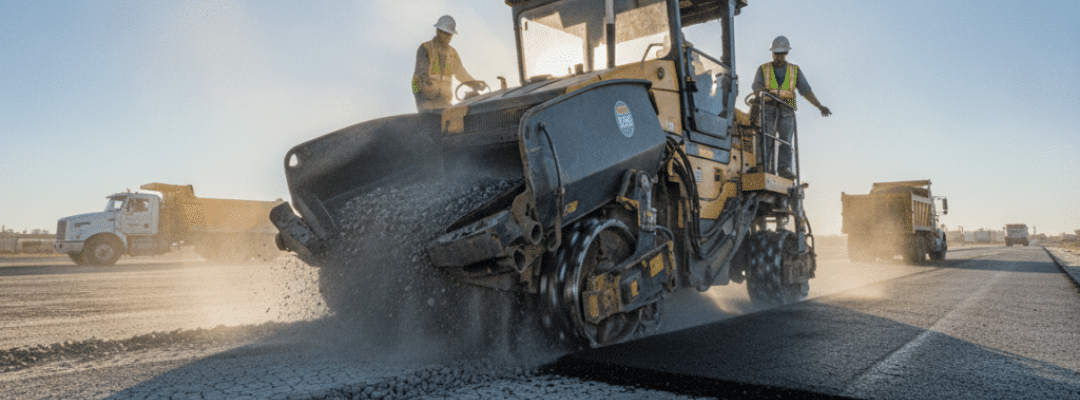
Ready to restore your driveway or parking lot? You can choose a proven process that strips the top layer of existing pavement and clears the way for fresh overlays. This approach tackles cracks, uneven surfaces, and other common issues fast.
You save time and money because the method reuses material and reduces waste. Professionals use precise equipment to remove a thin layer and create a smooth, stable surface for new asphalt application.
Whether you manage a busy road or a small residential lot, this option offers a durable foundation for asphalt paving. It improves durability for heavy traffic and makes maintenance more predictable over time.
Key Takeaways
- Cost-effective: The process cuts expense by recycling material.
- Fast results: You get a ready surface for new asphalt quickly.
- Durable foundation: It reduces future cracks and unevenness.
- Sustainable choice: Less waste and smart use of existing materials.
- Scales well: Works for roads, driveways, and parking lot projects.
Understanding the Basics of Asphalt Milling
Professionals use a cold planer to cut and collect the degraded top layer before repaving. This controlled removal clears worn material and exposes a level base for new layers.
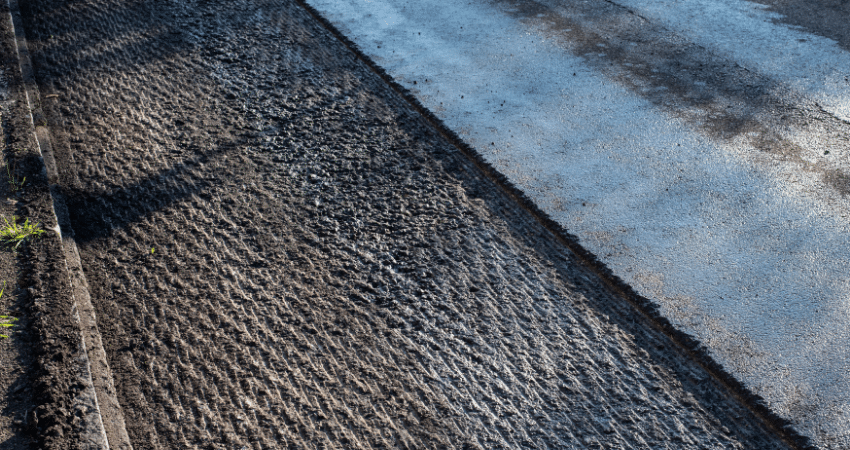
The process evens out your pavement and fixes surface deformations. Crews measure depth carefully to protect the base while removing old asphalt.
Benefits you get:
- Reclaims existing asphalt millings to reuse as base or fill.
- Creates stable, uniform surfaces for new overlays.
- Targets only damaged areas so work is faster and less disruptive.
Whether you manage a driveway or a commercial lot, this method gives you a cost-effective way to restore lasting surface quality.
| Feature | What it does | Why it matters |
|---|---|---|
| Cold planer | Removes top layer of existing asphalt | Preserves the base and prevents deeper damage |
| Collected millings | Reused as aggregate or compacted base | Reduces waste and lowers material cost |
| Surface leveling | Fixes ruts and uneven areas | Improves ride quality and drainage |
The Step-by-Step Milling Process
Before heavy work begins, a site survey sets exact removal depths and protects the base below. This initial assessment identifies the depth of the top layer and any problem areas that need addressing.
Initial Assessment
You’ll get a measured plan that shows how much material to remove and where. Crews mark trouble spots, note drainage issues, and map safe traffic flow during the work.
Equipment Setup
The crew deploys a powerful machine fitted with a rotating drum and carbide cutters to grind the surface precisely. Modern units use automatic depth control to hold the pavement surface within ±5 mm of the target height.
- Set depth based on the assessment to remove only the worn layer.
- Collect the millings as the drum grinds; the material is hauled off for recycling into fresh asphalt.
- Keep cutters sharp and perform regular maintenance so the drum runs efficiently throughout the project.
The result is a level pavement surface ready for new asphalt without undue disruption to your driveway or lot. Strict safety protocols keep traffic moving and protect workers while the process is completed.
Key Benefits of Choosing Asphalt Milling
A reuse-focused paving approach delivers big savings and quick reopening for your driveway. This option reuses material and trims costs while keeping work time short.
Environmental gains: Recycling existing pavement reduces waste sent to landfills. Using recycled asphalt lowers demand for new materials and cuts the carbon footprint of your project.
Cost advantages: Asphalt millings typically run $10–$20 per ton versus $40–$80 per ton for hot mix. That difference can cut material costs significantly on medium and large projects.
Practical benefits
- You can reopen for heavy traffic in about 24 hours because millings harden fast.
- Removing only the worn top layer preserves the base and lowers labor needs.
- The resulting surface resists harsh weather and steady vehicle loads.
| Benefit | What it means for you | Typical impact |
|---|---|---|
| Lower material cost | Uses reclaimed material instead of full hot mix | Save 40–75% on material expenses |
| Faster reopening | Millings harden quickly after compaction | Driveway ready in ~24 hours |
| Eco-friendly choice | Reduces waste and supports recycling | Lowers landfill volume and resource demand |
| Durable surface | Good for heavy traffic and variable weather | Longer service life with proper compaction |
Ideal Projects for Pavement Restoration
Good surface restoration fixes trouble spots fast and keeps traffic flowing with minimal downtime. You get long-term value by choosing targeted work instead of full replacement.
Roadway Rehabilitation
Road repairs often start with removing the worn top layer to eliminate cracks and ruts. This approach is common on busy roads where resurfacing must be fast and effective.
It restores smooth ride quality and extends service life.
Correcting Drainage Issues
Recontouring the surface helps prevent water pooling on your lot. Proper slope and grading reduce freeze-thaw damage and lower future maintenance needs.
“Fix drainage early to protect the base and avoid costly repairs later.”
Parking Lot Rehabilitation
Parking lot projects benefit from reclaiming millings and stabilizing the base before adding new asphalt. This makes surfaces safer for drivers and pedestrians and speeds reopening.
| Project Type | Main Benefit | When to Choose |
|---|---|---|
| Roadway Rehabilitation | Smooth surface, fewer cracks | High traffic roads with surface distress |
| Drainage Correction | Improved runoff, less damage | Areas with pooling or poor slope |
| Parking Lot Rehab | Safer surfaces, cost savings | Aged lots needing resurfacing |
| Resurfacing Projects | Stable base for new layer | When the top layer has deteriorated |
Comparing Standard Milling and Micro Milling
Not all surface removal is the same — select a method that fits your project’s goals.
Standard milling is best when you need to remove thicker layers. It clears worn pavement down to the base and works well for major resurfacing projects.
Micro milling targets thin surface treatments. The specialty drum has three to four times more cutting teeth than a standard machine, so it produces a finer texture and smoother ride.
Micro milling is a lower-cost option compared with diamond grinding. It improves surface texture without full-depth removal, making it ideal for high-speed roads, runways, and driveways that need a precise finish.
- Choose standard removal for deep repairs and full-layer replacement.
- Pick micro cutting for thin resurfacing and a refined surface finish.
- Consider cost, project scale, and the final texture you need.
We can help decide which material and technique fit your driveway or parking lot. Learn more about the process and options on our detailed guide: asphalt milling process.
“Selecting the right method ensures the best value and longest-lasting performance for your pavement.”
Best Practices for Reusing Asphalt Millings
The success of reuse projects hinges on even placement and the right compaction tools.
Start with a clean, stable base. Remove loose debris and correct low spots so millings lay evenly. Use a grading blade to spread material in thin, consistent lifts.
Effective Compaction Techniques
Compact each lift with a vibratory roller or plate compactor. Proper compaction makes the recycled asphalt bond and resist traffic and weather.
Work in layers: place 1–2 inches per pass, compact, then add the next layer. This prevents uneven settling and drainage issues.
- Use a grading blade for uniform distribution.
- Roll when the material is slightly damp for best interlock.
- Fill small cracks promptly to extend surface life.
| Step | Tool | Why it matters |
|---|---|---|
| Spread | Grading blade | Creates even foundation |
| Compact | Vibratory roller | Binds millings into a stable surface |
| Maintain | Seal/patch | Protects against weather and heavy traffic |
Recycling these materials reduces waste and trims costs while giving you a durable pavement surface for driveways and roads.
Conclusion
Choose a targeted removal and reuse approach to extend the life of your pavement while lowering costs and waste. This process addresses surface defects, improves safety, and speeds reopening for your driveway or lot.
Recycling reclaimed materials reduces demand for new materials and supports greener projects. With proper compaction and routine maintenance, recycled layers perform well under traffic.
For complex projects, rely on professional guidance to select the right method and ensure durable results. Asphalt milling and recycled millings can be a smart, sustainable option for your paving needs.
FAQ
What is the purpose of milling when you need to improve your pavement?
Milling removes the top layer of worn pavement to create a smooth, even surface for resurfacing. You get a better bond for the new top layer, corrects grades and drainage, and reduces trip hazards and rough patches before paving.
What environmental and cost advantages come from milling and reusing the removed material?
You save on material costs by recycling reclaimed aggregate into new mix or base layers. Reuse reduces landfill waste and lowers hauling emissions, which often makes the project more sustainable and budget-friendly.
Which projects benefit most from milling rather than full replacement?
You should choose milling for roadway rehabilitation, correcting drainage profiles, or parking lot rehab when the subbase is sound. It’s ideal when the top layer is deteriorated but the foundation can be preserved.
What causes common issues like cracking or raveling after resurfacing over milled pavement?
Insufficient cleaning, poor bonding between layers, inadequate compaction, or unresolved base problems cause premature distress. Following best practices for prep and compaction prevents most issues.
How do you estimate costs for a milling and resurfacing project?
Costs depend on removal depth, project area, haul distance for material, new material quantities, and traffic control needs. Get a site inspection and itemized quote to understand pricing and options.