Asphalt driveways in Colorado Springs face year-round exposure to conditions that gradually wear down the surface. Strong sun, freezing winters, snowmelt, and frequent temperature swings all affect how asphalt ages. Even a driveway that looks solid can begin losing flexibility and protection long before major cracks become visible.
Sealcoating is one of the most effective ways homeowners can protect that investment. By applying a protective coating over the asphalt surface, sealcoating helps slow deterioration, preserve appearance, and reduce the need for larger repairs later. In a climate like Colorado Springs, where pavement faces both intense UV exposure and winter freeze-thaw cycles, regular sealcoating plays a major role in extending driveway life.
For homeowners who want to avoid costly resurfacing or premature replacement, understanding the benefits of sealcoating helps explain why this maintenance step matters so much.
Why Colorado Springs Asphalt Needs Extra Protection
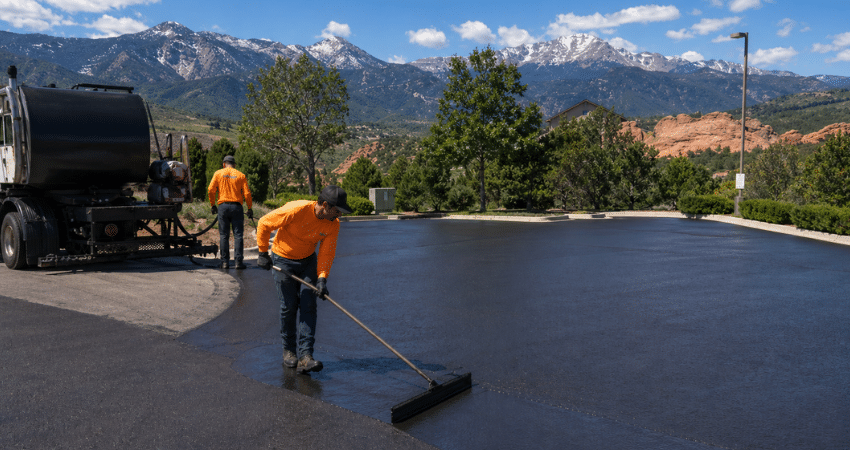
Colorado Springs creates a unique environment for asphalt because pavement is exposed to both high-altitude sunlight and severe seasonal weather changes. Asphalt naturally contains oils that keep it flexible, but over time, those oils break down when exposed to UV rays and moisture. Without protection, the surface gradually becomes brittle and more vulnerable to cracking.
High Elevation Increases UV Exposure
At higher elevation, ultraviolet exposure is stronger than in many lower-altitude areas. This speeds up oxidation, causing asphalt to fade and dry out more quickly. As oxidation continues, the surface loses flexibility and becomes more likely to crack under pressure.
Freeze-Thaw Cycles Create Constant Stress
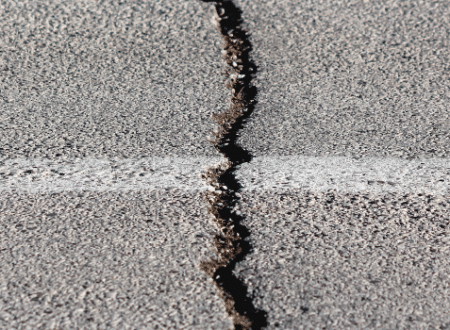
Moisture that enters small surface openings expands when temperatures drop. This repeated freezing and thawing places pressure on the asphalt structure and enlarges weak areas. Even small cracks can worsen quickly when left unprotected through multiple seasons.
One of the biggest advantages of sealcoating is that it slows the aging process and helps asphalt last longer before major repairs are needed. In Colorado Springs, asphalt is constantly exposed to environmental stress that gradually weakens the surface layer, even when visible damage has not yet appeared.
A properly maintained driveway often lasts significantly longer than one left exposed without protection. Sealcoating works by preserving the surface before oxidation and moisture begin creating structural problems, which means homeowners can often delay expensive resurfacing or replacement by staying consistent with maintenance.
Slows Surface Oxidation
Sealcoating creates a barrier that reduces direct exposure to oxygen and UV rays, helping preserve the oils that keep asphalt flexible. These oils naturally break down over time, especially under Colorado’s strong sunlight, which causes the surface to dry out and lose elasticity.
As oxidation continues, asphalt becomes brittle and far more likely to crack when temperatures fluctuate or when vehicles place pressure on the surface. Slowing oxidation helps maintain flexibility, which is critical in Colorado Springs where seasonal expansion and contraction happen repeatedly.
Reduces Surface Breakdown
Daily wear from vehicle traffic, foot traffic, and weather gradually affects the top layer of asphalt, even on residential driveways that do not experience heavy use.
Sealcoating helps protect against that wear before deeper damage develops. By reinforcing the outer layer, the coating absorbs much of the surface stress that would otherwise begin wearing down the asphalt itself.
Moisture Protection Is Critical in Colorado Springs
Water is one of the biggest threats to asphalt because it can move through tiny openings long before visible damage becomes obvious. In Colorado Springs, snowmelt, spring rain, and overnight freezing all create conditions where moisture repeatedly enters and stresses the pavement.
Sealcoating helps reduce how easily moisture reaches the pavement below the surface, which is especially important because once water penetrates, it can begin damaging both the asphalt and the supporting layers beneath it.
Helps Prevent Water Penetration
A sealed surface blocks much of the moisture that would otherwise enter small pores and hairline cracks. This is especially important during spring rain and winter snowmelt, when pavement remains exposed to repeated moisture cycles.
Even very small openings can allow water to enter, and once that happens, the damage often spreads quietly before becoming visible on the surface.
Supports Crack Prevention
By reducing moisture entry, sealcoating helps lower the risk of freeze-thaw expansion that often causes cracks to spread. Water trapped inside asphalt expands when temperatures drop, placing pressure on surrounding pavement.
This repeated cycle is one of the main reasons small untreated cracks often become larger repair issues after winter.
Sealcoating Improves Driveway Appearance
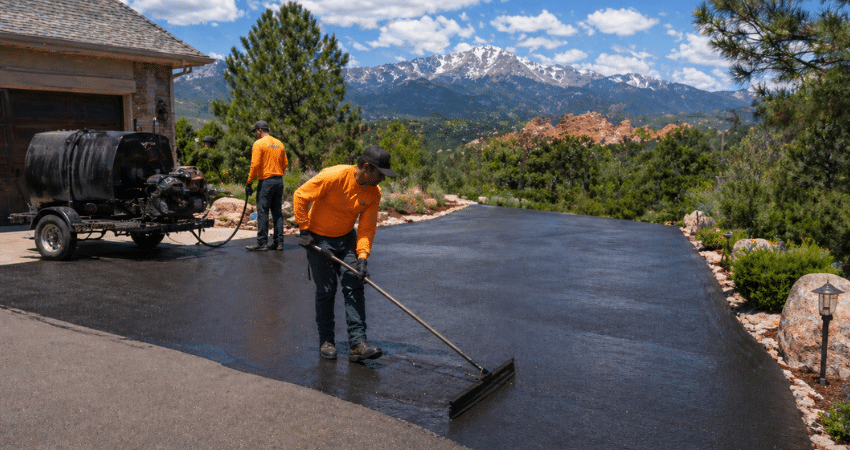
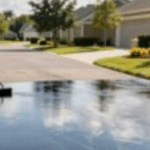
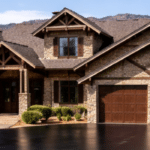
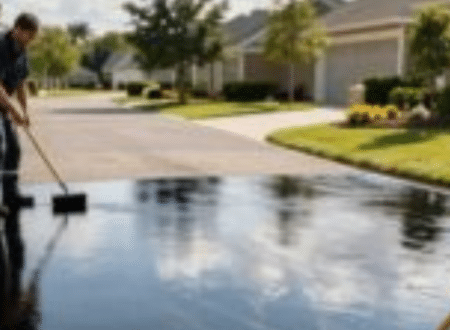
In addition to protection, sealcoating gives asphalt a noticeably cleaner and newer appearance. For homeowners, this often improves curb appeal immediately.
Restores Rich Black Color
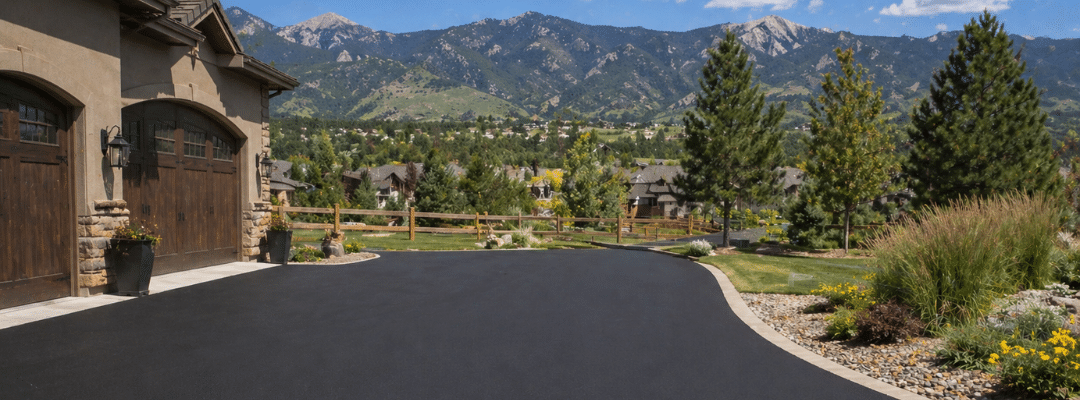
Asphalt naturally fades over time into a dull gray tone as oxidation progresses. Sealcoating restores a darker finish that makes the driveway look freshly installed.
Creates a Cleaner Surface
The uniform coating also helps the driveway look smoother and more maintained overall. This can improve the appearance of the entire front exterior of the home.
Sealcoating Helps Prevent Costly Repairs
Sealcoating is far less expensive than larger asphalt repairs or resurfacing. Many homeowners underestimate how quickly minor surface aging can turn into cracks, potholes, or rough areas that require much more extensive work. Routine maintenance often prevents bigger repair needs from developing because the asphalt remains protected before deterioration reaches deeper layers.
Small Maintenance Costs Less Than Structural Repair
Protective sealcoating costs far less than repairing widespread cracking, potholes, or sections where the pavement base has weakened. Addressing the surface early often prevents the need for patching, milling, or resurfacing later.
Delays Major Pavement Work
A properly maintained driveway usually needs fewer major interventions over time because the asphalt remains protected against the conditions that accelerate aging. This makes sealcoating one of the most cost-effective maintenance services available for homeowners trying to maximize pavement lifespan.
Timing Matters for Best Sealcoating Results
Sealcoating works best when applied at the right intervals and under proper conditions. Colorado Springs weather makes timing especially important.
Most Driveways Benefit Every Two to Three Years
Regular application helps maintain continuous protection.
Dry Warm Conditions Are Ideal
Sealcoating bonds best when temperatures remain warm and dry during curing. Professional scheduling helps maximize durability.
Sealcoating Works Best After Surface Preparation
Preparation affects how long the sealcoat lasts and how well it performs. Applying sealcoat over untreated damage reduces effectiveness.
Cracks Should Be Filled First
Existing cracks need repair before coating begins.
Surface Cleaning Improves Bonding
Debris, dust, and residue should be removed so the coating bonds evenly. Proper preparation improves both appearance and longevity.
Colorado Springs Homeowners Benefit From Preventative Maintenance
Sealcoating fits into a broader strategy of preserving asphalt before damage becomes expensive. Preventative maintenance almost always costs less than reactive repair.
Protecting Home Value
A maintained driveway contributes to overall exterior condition and curb appeal.
Reducing Long-Term Pavement Costs
Routine maintenance helps homeowners avoid larger unexpected repair expenses.
Residential Sealcoating Compared to Commercial Needs
Residential driveways often age differently than commercial pavement because traffic loads are lighter.
| Surface Type | Typical Sealcoating Frequency |
|---|---|
| Residential Driveway | Every 2–3 years |
| Commercial Asphalt | Often more frequent depending on traffic |
Even with lighter use, Colorado weather still requires consistent residential maintenance.
Professional Application Makes a Difference
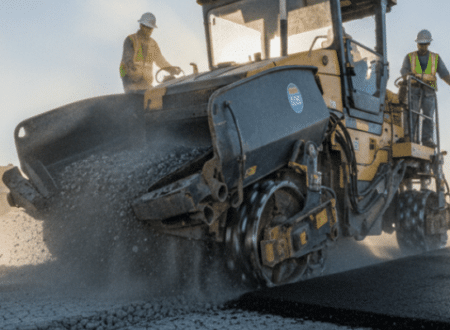
The quality of the application affects how long sealcoating lasts. Professional contractors understand surface condition, weather timing, and product behavior. This leads to more even coverage and longer-lasting results.
Conclusion: Sealcoating Helps Protect Your Driveway Investment
Sealcoating offers homeowners in Colorado Springs one of the most practical ways to protect asphalt from sun, moisture, and seasonal wear. By slowing oxidation, improving appearance, and reducing the risk of cracking, it helps driveways last longer and perform better through Colorado’s demanding weather conditions.
A proactive sealcoating schedule often prevents larger repairs and helps preserve both function and curb appeal over time.
Hammers Sealcoat & Asphalt
If your driveway is fading, drying out, or beginning to show signs of wear, Hammers Sealcoat & Asphalt can help protect it before larger problems develop. Their team provides professional residential sealcoating services designed specifically for Colorado Springs conditions. Contact Hammers Sealcoat & Asphalt today to schedule an evaluation and keep your driveway protected year after year.
Benefits of Sealcoating for Homes in Colorado Springs FAQS
Most residential driveways benefit from sealcoating every two to three years.
No, cracks should be repaired before sealcoating is applied.
No, appearance improves, but protection is the primary benefit.
Sealcoating helps reduce moisture entry that contributes to winter cracking.
Warm, dry weather usually provides the best application conditions.