If you are looking for a durable solution for your road or pavement construction needs, asphalt paving is a popular choice due to its long-lasting performance and cost-effectiveness.
As a material, asphalt is widely used in the United States and globally for various applications, including roads, parking lots, driveways, and commercial properties. Its durability and ability to withstand various conditions make it an ideal surface for pavement construction.
With asphalt paving, you can expect a long-lasting performance that resists stress and settlement without cracking, making it a flexible pavement solution. As you read on, you will learn more about the composition, installation, maintenance, and benefits of asphalt paving.
Table of contents
- Understanding Asphalt: Composition and Properties
- The Evolution of Asphalt Paving
- Types of Asphalt Mixtures for Different Applications
- The Structural Layers of Asphalt Pavement
- Benefits of Choosing Asphalt for Your Property
- The Asphalt Installation Process
- Maintaining Your Asphalt Pavement for Maximum Durability
- Asphalt Paving Conclusion
- Asphalt Paving FAQs
Understanding Asphalt: Composition and Properties
Understanding the intricacies of asphalt is essential for appreciating its role in modern construction. Asphalt is a complex material used extensively in pavement construction, known for its durability and performance.
What Is Asphalt?
Asphalt is a composite material made from a mixture of aggregates, binder, and other additives. The aggregates used can vary and include crushed rock, sand, gravel, or slags. “The use of certain waste and by-products, such as construction and demolition debris, as aggregates is becoming increasingly common, enhancing the sustainability of asphalt,” says an industry expert.
Key Components of Asphalt Mixtures
The key components of asphalt mixtures include aggregates, asphalt binder, and additives. Aggregates provide strength and stability, while the asphalt binder acts as a glue, holding the mixture together.
The Science Behind Asphalt’s Durability
Asphalt’s durability and fatigue resistance are attributed to its viscoelastic nature, allowing it to behave as both an elastic solid and a viscous fluid under different conditions. Proper mix design is crucial for achieving an optimal balance between stability and flexibility. Modern additives and modifiers can further enhance asphalt’s resistance to aging and environmental stressors, contributing to its long-term performance and durability.
By understanding the composition and properties of asphalt, you can appreciate the science behind its durability and performance in various applications.
The Evolution of Asphalt Paving
Asphalt paving has undergone significant transformations over the years, driven by technological advancements and changing infrastructure needs. The journey of asphalt from its early forms to the sophisticated mixtures used today is a story of innovation and adaptation.
Historical Development of Asphalt
The use of asphalt dates back thousands of years, with early civilizations utilizing natural asphalt for various construction purposes. In the late 19th and early 20th centuries, asphalt began to be processed and used more widely for paving roads. The development of hot mix asphalt (HMA) marked a significant milestone, offering improved durability and performance.
As infrastructure demands grew, so did the need for more advanced asphalt technologies. The mid-20th century saw the introduction of new mixing techniques and equipment, further enhancing the quality and consistency of asphalt mixtures.
Modern Advancements in Asphalt Technology
Today, asphalt technology continues to evolve, driven by the need for more sustainable and high-performance materials. One significant advancement is the development of warm mix asphalt, which is produced at lower temperatures than traditional HMA, reducing energy consumption and emissions.
Modern asphalt mixtures are designed for specific applications, such as high-traffic highways and airport runways, where performance and durability are critical. Innovations in asphalt binder modification, including polymer-modified binders, have enhanced the flexibility and resistance of asphalt to extreme temperatures.
| Technological Advancement | Description | Benefit |
|---|---|---|
| Warm Mix Asphalt | Produced at lower temperatures | Reduced energy consumption and emissions |
| Polymer-Modified Binders | Enhanced asphalt binder | Improved durability and flexibility |
| Computer Modeling | Advanced mix design and quality control | Optimized performance and reduced waste |
Types of Asphalt Mixtures for Different Applications
Asphalt paving involves a range of mixtures, from hot mix to specialty formulations, designed to meet diverse needs. The choice of asphalt mixture depends on the specific requirements of the project, including factors like traffic volume, climate, and desired durability.
Hot Mix Asphalt (HMA)
Hot Mix Asphalt (HMA) is a traditional and widely used asphalt mixture. It is produced by heating the asphalt binder and then mixing it with aggregate particles. HMA is known for its durability and is often used for high-traffic roads and highways. The mixture is flexible, allowing it to withstand various temperatures and weather conditions.
Warm Mix Asphalt (WMA)
Warm Mix Asphalt (WMA) is produced at lower temperatures than HMA, reducing energy consumption and emissions. This mixture is becoming increasingly popular due to its environmental benefits and cost-effectiveness. WMA is suitable for a variety of applications, including roads, parking lots, and driveways.
Cold Mix Asphalt
Cold Mix Asphalt is used for patching and repairing asphalt surfaces. It is produced without heating the asphalt binder, making it a convenient option for on-site mixing and application. Cold Mix Asphalt is ideal for small repairs and maintenance projects.
Specialty Asphalt Formulations
Specialty asphalt formulations are designed for specific performance requirements or applications beyond standard paving. For instance, Stone Mastic Asphalt (SMA) is a gap-graded mixture with high stone content and modified binder, providing exceptional durability and rut resistance for high-traffic roads. Porous Asphalt, on the other hand, is an open-graded mixture that allows water to drain through the pavement, reducing runoff and improving skid resistance during wet conditions.
A variety of specialty asphalt concrete mixtures have been developed to meet specific needs. As noted by experts, “The development of specialized asphalt mixtures has significantly enhanced the performance and sustainability of asphalt pavements.”
“The use of stone-matrix asphalt and porous asphalt pavements has become increasingly popular due to their ability to provide strong wearing surfaces and manage stormwater runoff effectively.”
| Asphalt Mixture Type | Key Characteristics | Typical Applications |
|---|---|---|
| Hot Mix Asphalt (HMA) | Durable, flexible | High-traffic roads, highways |
| Warm Mix Asphalt (WMA) | Environmentally friendly, cost-effective | Roads, parking lots, driveways |
| Cold Mix Asphalt | Convenient for on-site mixing, suitable for small repairs | Patching, repairing asphalt surfaces |
| Stone Mastic Asphalt (SMA) | Exceptional durability, rut resistance | High-traffic roads |
| Porous Asphalt | Permeable, reduces runoff, improves skid resistance | Stormwater management, roads |
The Structural Layers of Asphalt Pavement
To achieve optimal asphalt pavement performance, it’s essential to comprehend its various structural layers. Asphalt pavement is designed to provide a durable and long-lasting surface, and this is achieved through its multi-layered structure.
Surface Course: Your First Line of Defense
The surface course is the topmost layer of the asphalt pavement, directly exposed to traffic and environmental conditions. It is designed to provide a smooth, skid-resistant surface while protecting the underlying layers from damage. The surface course is typically made of a high-quality asphalt mix that is resistant to wear and tear.
Binder Course: The Strength Layer
Beneath the surface course lies the binder course, which acts as a strength layer, providing additional structural support to the pavement. This layer helps distribute the load across the pavement, reducing the stress on the underlying layers. The binder course is usually constructed using a dense-graded asphalt mix.
Base Course and Foundation: The Support System
The base course is a critical layer that distributes traffic loads to the underlying foundation, preventing excessive stress on the subgrade. It is typically constructed of asphalt concrete or aggregate materials. Proper preparation of the foundation layers, including adequate drainage and compaction, is crucial for long-term pavement performance. The thickness and material properties of the base course and foundation layers are determined based on traffic loads, soil conditions, and environmental factors.
Benefits of Choosing Asphalt for Your Property
For property owners, asphalt paving presents a compelling option, offering a unique combination of durability, cost-effectiveness, and environmental benefits. When considering the best material for your property, it’s essential to examine the advantages that asphalt provides.
Durability and Longevity Factors
Asphalt is renowned for its durability and longevity. The use of high-quality asphalt mixtures and proper installation techniques ensures that your pavement withstands heavy traffic and harsh weather conditions. Porous asphalt, in particular, offers additional benefits by allowing water to drain through the pavement, reducing runoff and improving safety.
Cost-Effectiveness Over Time
While the initial cost of asphalt paving may seem significant, its long-term benefits make it a cost-effective choice. Asphalt is a material that can be maintained and repaired easily, extending its lifespan. Moreover, the smooth surface of asphalt reduces vehicle fuel consumption, providing additional cost savings over time.
Environmental Considerations
Asphalt is an environmentally friendly material, as it is 100% recyclable and can be reclaimed and reused both on-site and in asphalt plants. The use of reclaimed asphalt pavement (RAP) and other recycled materials in asphalt mixtures reduces the demand for virgin materials. Additionally, warm-mix asphalt technologies decrease energy consumption and emissions during production.
By choosing asphalt for your property, you’re not only investing in a durable and cost-effective solution but also contributing to a more sustainable environment. The benefits of asphalt paving make it an attractive choice for property owners looking to enhance their property’s value and functionality.
The Asphalt Installation Process
Installing asphalt pavement requires careful planning and execution to ensure durability and longevity. The process involves several key steps, from preparing the site to allowing the asphalt to cure properly.
Site Preparation Requirements
Before asphalt can be laid, the site must be properly prepared. This involves clearing the area of debris, vegetation, and other obstructions. Ensuring a stable base is crucial for the longevity of the asphalt pavement.
Professional Installation Steps
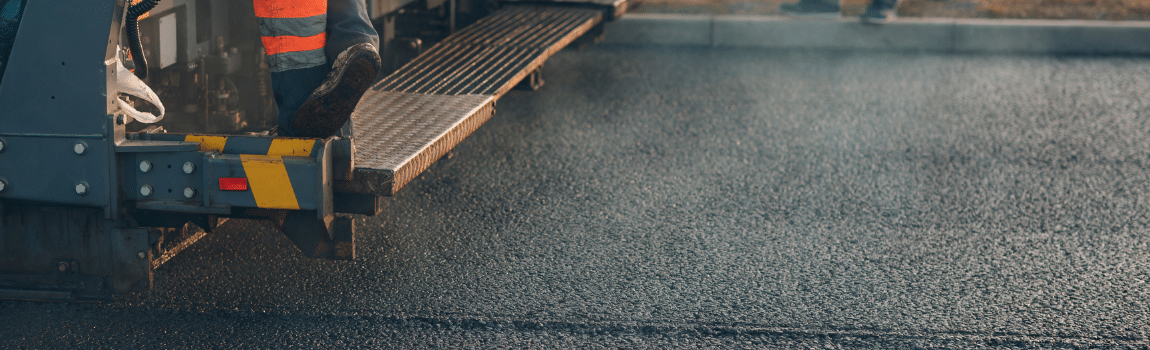
The actual installation of asphalt involves laying the mix while it’s sufficiently hot. Paving and compaction must be performed under optimal conditions to achieve the required density. The temperature of the asphalt mix is critical during this phase.
Curing and Setting Time
After installation, the asphalt needs time to cure and set. The curing process is influenced by factors such as temperature and exposure to water. Hot-mix asphalt typically becomes ready for light traffic within a few hours, but it may take longer for the pavement to reach its full strength.
| Asphalt Type | Curing Time | Ready for Traffic |
|---|---|---|
| Hot-Mix Asphalt | Several Hours | Light Traffic: Hours, Heavy Traffic: Days |
| Warm-Mix Asphalt | Longer than Hot-Mix | Varies |
| Cold-Mix Asphalt | Longest | Typically Longer than Hot-Mix |
Understanding the curing time and conditions required for different types of asphalt mixes is essential for planning and ensuring the longevity of the pavement.
Maintaining Your Asphalt Pavement for Maximum Durability
Maintaining your asphalt pavement is essential for ensuring its longevity and performance. Proper care can significantly extend the life of your pavement, saving you money on costly repairs and replacements.
Regular Maintenance Practices
Regular maintenance is key to keeping your asphalt pavement in good condition. This includes routine inspections to identify and address issues early, such as cracks, potholes, and uneven surfaces. Cleaning the surface regularly to remove debris and vegetation is also crucial. By doing so, you can prevent damage and ensure the pavement remains safe and functional.
Addressing Common Asphalt Problems
Common issues with asphalt pavements include cracking, potholes, and surface deterioration. Addressing these problems promptly is vital to prevent further damage. For instance, filling cracks and repairing potholes can stop water from penetrating the surface and causing more extensive damage. Regular maintenance can help mitigate these issues.
Sealcoating: Protection Against the Elements
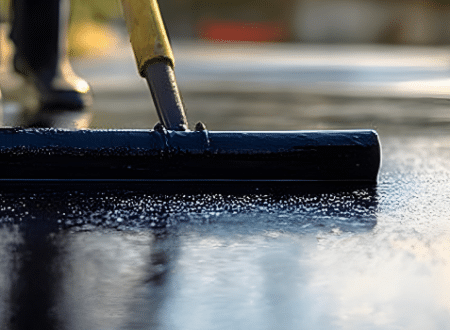
Sealcoating is a critical maintenance measure that protects your asphalt pavement from the elements. It creates a protective barrier against water, UV damage, and chemical spills, thereby extending the pavement’s life. Sealcoating should be applied every 2-3 years, depending on traffic volume and climate conditions.
By incorporating sealcoating into your maintenance routine, you can significantly enhance the durability of your asphalt pavement. This proactive approach not only protects your investment but also ensures your pavement remains safe and functional for years to come.
Asphalt Paving Conclusion
Asphalt paving has emerged as a leading choice for road construction and property development due to its exceptional performance and durability. As you’ve seen throughout this article, the benefits of choosing asphalt are multifaceted, ranging from its cost-effectiveness and sustainability to its adaptability in various applications.
The unique combination of durability, cost-effectiveness, and sustainability makes asphalt the preferred paving material for most applications. Whether you’re considering asphalt for a residential driveway or a commercial road, its flexibility in design and application makes it an ideal choice. Advances in asphalt technology continue to improve its performance, extend its service life, and enhance its sustainability.
To maximize the return on investment in asphalt pavements, it’s crucial to focus on quality design, professional installation, and regular maintenance. Working with qualified contractors and developing a long-term maintenance plan are essential steps in ensuring your asphalt pavement remains in optimal condition. By choosing asphalt, you’re not only making a practical choice but also an environmentally responsible one, given its recyclability and energy-efficient production methods.
In conclusion, asphalt paving offers a compelling solution for those seeking long-term performance and value. Its numerous benefits, coupled with ongoing advancements in technology, solidify its position as a top choice for paving needs across the United States.
Asphalt Paving FAQs
HMA is produced at high temperatures, typically between 275°F and 325°F, while WMA is produced at lower temperatures, usually between 200°F and 250°F, making it a more environmentally friendly option.
The frequency of sealcoating depends on various factors, including traffic, climate, and maintenance. Generally, it’s recommended to sealcoat every 2-3 years to protect the asphalt from damage caused by water, UV rays, and other environmental factor
Porous asphalt allows water to percolate through the surface, reducing stormwater runoff and improving water quality. It’s an excellent option for low-traffic areas, such as parking lots and pedestrian paths.
While it’s possible to install asphalt pavement in cold weather, it’s not recommended. Asphalt installation requires a certain temperature range to ensure proper compaction and curing. Cold temperatures can lead to poor bonding and reduced durability.
Cracks in asphalt pavement can be addressed by filling them with a suitable sealant. For larger cracks, it’s recommended to consult a professional to assess the damage and provide a suitable repair solution.