
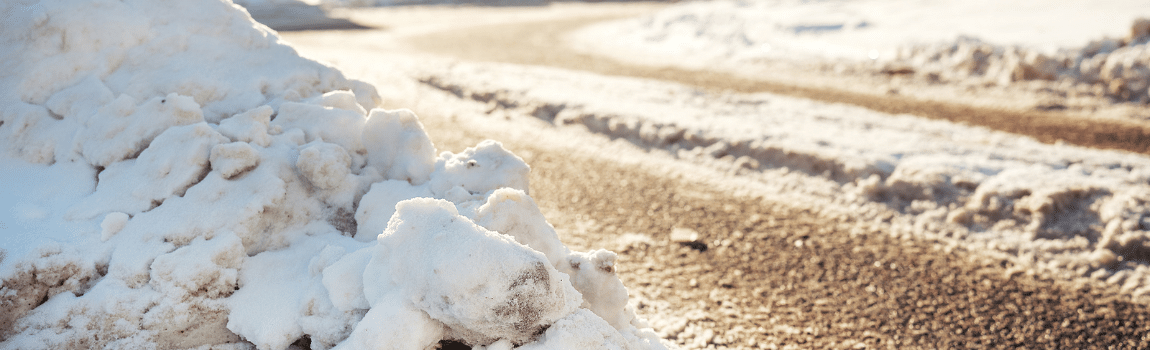
Colorado winters can be tough on your asphalt. The big temperature swings and harsh weather put a lot of stress on your pavement. This is true for both roads and homes. Knowing about winter risks is key for property owners. This guide will help you protect, repair, and keep your asphalt in good shape after Colorado’s harsh winter.
Asphalt damage is more than just a cosmetic problem. The freeze-thaw cycle can really hurt your pavement. Water in small cracks expands by about 9% when it freezes. This creates more pressure and bigger problems.
Your asphalt faces many environmental challenges. The high altitude and strong UV rays make your pavement break down faster. You need to take care of it and get help from pros.
Understanding Winter’s Impact on Colorado Pavement
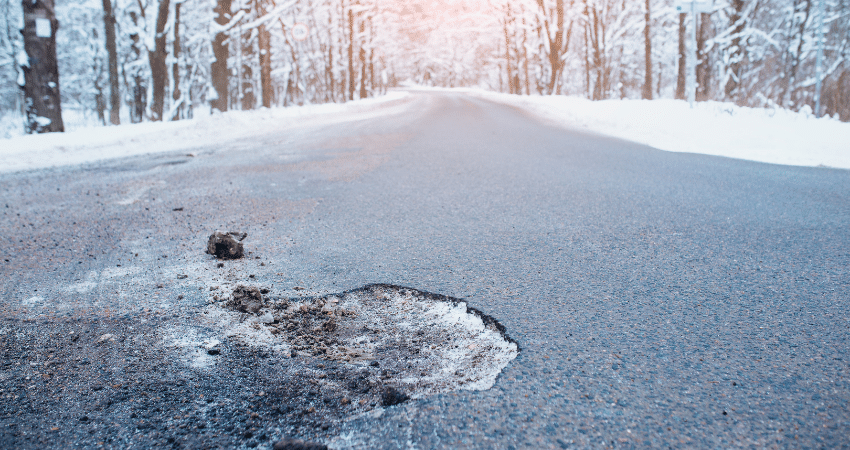
Colorado’s winters are tough on blacktop and bitumen. The state’s climate is perfect for damaging asphalt pavement.
Winter weather harms tarmac in many ways. The biggest problem is the freeze-thaw cycle. It can damage your pavement a lot.
The Freeze-Thaw Cycle Effect
In Colorado winters, water gets into small asphalt cracks. When it freezes, it expands and puts a lot of stress on the pavement. This can make the surface wear down fast.
- Moisture seeps into microscopic cracks
- Water freezes and expands
- Cracks widen and deepen
- Structural integrity becomes compromised
Water Infiltration Problems
Water getting into asphalt is a big problem. Freezing and thawing make the pavement weaker. This can lead to bigger problems.
Experts say up to 70% of pavement damage happens in spring. This is because of winter moisture.
Temperature Fluctuation Damage
Colorado’s big temperature changes stress bitumen surfaces. This constant stress can make the pavement wear out faster. Using special asphalt can help, making it last 3-5 years longer.
Understanding these winter damage mechanisms is crucial for protecting your investment and maintaining safe, functional pavements.
Common Types of Winter Asphalt Damage in Denver
Colorado’s weather can damage hot mix asphalt surfaces a lot. Knowing about common winter damage helps protect investments and avoid expensive fixes.
Colorado’s winter brings forces that harm asphalt. The main types of damage are:
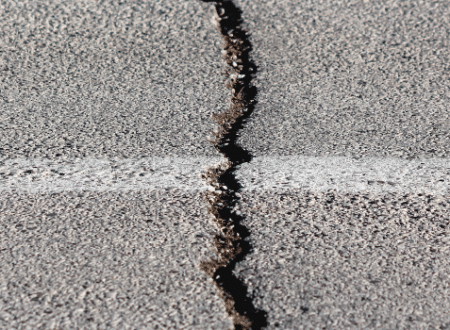
- Alligator Cracking: Looks like an alligator’s skin, from freeze-thaw cycles
- Potholes: Form when water gets under the surface and expands
- Frost Heaves: Raised areas from water freezing and expanding underground
- Raveling: When asphalt breaks down and becomes loose
Colorado’s climate is tough on asphalt. The high elevation and big temperature changes make it wear out faster. In 2018, a 105-degree temperature caused a lot of damage.
Regular maintenance is key. Colorado property owners should check their asphalt often. Fix small cracks before they get big. Using crack sealing and good drainage can help pavement last longer.
Neglecting winter asphalt damage can lead to exponential repair costs and potential safety hazards.
The Science Behind Winter Pavement Deterioration
Understanding how asphalt gets damaged in winter is key for keeping surfaces safe. Winter’s cold weather causes chemical and structural problems for pavement.
Chemical Reactions in Cold Weather
Cold weather changes asphalt’s chemistry. When it gets cold, asphalt’s glue-like properties weaken. This makes the surface more likely to crack and break down.
- Water expands by 9 percent when freezing
- Internal pressure develops within pavement cracks
- Surface treatment becomes critical for preventing damage
Structural Integrity Challenges
The freeze-thaw cycle weakens pavement’s structure. Every time the temperature goes up and down, it creates tiny stress points. These points slowly damage the asphalt.
| Temperature Range | Potential Damage |
|---|---|
| Below 32ºF | Contraction and brittleness |
| Above 32ºF | Expansion and potential cracking |
Surface Layer Breakdown
Winter’s freeze-thaw cycles wear down the pavement’s surface. The asphalt’s aggregate becomes more fragile. This can lead to scaling, spalling, and lasting damage.
Using the right surface treatment and maintenance can help fight these problems. It keeps your pavement safe from winter’s harm.
Essential Pre-Winter Maintenance Steps
It’s important to protect your asphalt before winter. Cold weather and moisture can cause a lot of damage. Taking steps now can help keep your asphalt safe from winter’s harsh conditions.
First, inspect your paving carefully. Look for cracks, uneven spots, and where water might gather. Finding problems early can help avoid big winter damage.
- Clean the entire asphalt surface thoroughly
- Identify and mark all existing cracks
- Remove debris and standing water
- Check drainage systems
Crack sealing is key before winter. Water infiltration can expand when frozen, dramatically increasing surface damage. Sealcoating acts as a protective layer, stopping moisture and reducing winter damage.
Here are some important maintenance steps:
- Apply high-quality sealcoat to prevent water absorption
- Fill existing cracks with specialized asphalt repair materials
- Improve drainage to minimize water pooling
- Plan for careful snow removal strategies
Professional asphalt maintenance can make your paving last longer. Investing in care now can save you money on repairs later.
Professional Asphalt Repair Solutions
Winter can damage road surfaces badly, making it key to fix them fast. Fixing bitumen pavements needs special skills to keep them strong.
Experts offer top-notch fixes for winter damage. Their work can make your pavement last 10 years longer. This saves you from having to replace it all over again.
Crack Sealing Techniques
Sealing cracks well stops water from getting in and causing more harm. Pros use the latest ways to fix surface problems:
- Hot-pour sealant application
- Rubberized crack filling
- Precision routing and cleaning of crack areas
Pothole Repairs
Potholes pop up fast, especially when it freezes and thaws. Experts use several methods to fix them:
- Full-depth patching
- Spray injection patching
- Cut and replace techniques
| Repair Method | Effectiveness | Typical Duration |
|---|---|---|
| Cold Patch | Temporary Solution | 3-6 Months |
| Hot Mix Patch | Long-Term Repair | 5-10 Years |
| Full Replacement | Comprehensive Solution | 15-20 Years |
Surface Patching Methods
Fixing the surface needs careful prep and application. Experts make sure the area is ready, pick the right materials, and bond them well for lasting fixes.
Getting professional help with asphalt repairs can save you a lot of money. Quick fixes stop small problems from becoming big, costly repairs.
The Role of Sealcoating in Winter Protection
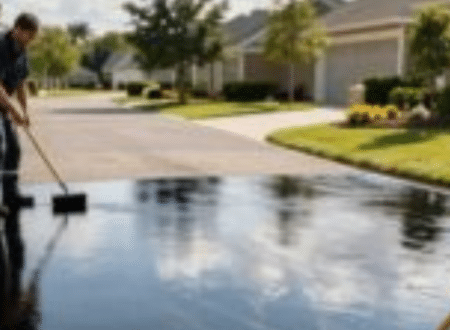
Winter can be tough on your blacktop. Sealcoating is a key way to protect it. It keeps your tarmac safe from seasonal harm.
Sealcoating is like a shield for your asphalt. It fights off many winter dangers:
- Blocks moisture penetration
- Reduces freeze-thaw cycle damage
- Prevents de-icing chemical erosion
- Blocks harmful UV ray oxidation
The best time to sealcoat is from mid-April to October. Timing is crucial for maximum protection.
A properly seal-coated surface can extend pavement life by years and reduce maintenance costs significantly.
Using professional sealants is better than doing it yourself. They make a strong, flexible barrier. This keeps your blacktop strong, even when it’s very cold.
Choosing professional sealcoating can save you a lot of money. It stops water from getting in, cuts down on potholes, and keeps your tarmac strong during winter.
Emergency Temporary Fixes for Winter Damage
Winter can cause a lot of damage to pavement materials. Knowing how to fix emergency repairs can save you a lot of time and money. It also helps protect your property from getting worse.
Cold Patch Applications: Your Winter Repair Lifeline
Cold patch solutions are key for winter asphalt damage. They let you fix hot mix pavement even when it’s freezing. They offer a quick fix that can stop damage until you can get a proper repair.
- Effective in temperatures below 50 degrees Fahrenheit
- Can be applied without specialized machinery
- Works well in high-traffic areas
Quick-Fix Strategies for Immediate Protection
When you face winter pavement damage, acting fast is important. Your emergency repair kit should have:
- Clean the damaged area thoroughly
- Remove loose debris and moisture
- Apply cold patch material
- Tamp down firmly, creating a 1-2 inch raised surface
“Immediate action prevents long-term asphalt destruction.” – Pavement Preservation Expert
Professional Intervention Signals
| Damage Level | Repair Recommendation |
|---|---|
| Minor Cracks | DIY Cold Patch |
| Large Potholes | Professional Assessment |
| Extensive Surface Damage | Immediate Professional Repair |
While temporary fixes can help right away, they’re not a permanent fix. Professional help is needed when damage goes beyond the surface. Take care of winter damage quickly and wisely to protect your investment.
UV Ray Protection and Long-Term Preservation
Colorado’s high elevation means asphalt faces intense UV rays. This causes quick damage to the surface. Special protection is key to keeping your asphalt strong.
Surface treatments are vital to fight UV damage. The sun’s rays can make asphalt wear down fast. In summer, the surface can get over 150°F, making it brittle and less flexible.
- UV rays break down the binding agents in asphalt
- Color fading indicates increasing surface vulnerability
- Aggregate composition plays a critical role in UV resistance
To protect your asphalt, you need a few steps. Professional treatments can help by blocking UV rays. Here are some important steps:
- Apply specialized UV-resistant sealcoats
- Use lighter-colored aggregate mixtures
- Implement regular maintenance inspections
Experts say seal coating every three to five years is best. Preventative steps can cut down repair costs and extend your pavement’s life by up to 50%. Good UV protection keeps your asphalt safe from Colorado’s sun and prevents damage.
Storm Basin Maintenance and Drainage Solutions
Keeping your asphalt safe starts with good storm basin care. Catch basins are key in handling water runoff. Without them, your paving could face serious damage.
Knowing how to care for storm basins is important. It helps prevent water buildup on your asphalt. It also stops structural damage and flooding risks. Plus, it makes your paving last longer.
Seasonal changes can affect storm basins. Frost and water can make them sink or create holes. Getting them checked by pros is essential.
| Maintenance Aspect | Recommended Action |
|---|---|
| Inspection Frequency | Twice annually (spring and fall) |
| Debris Removal | Clean catch basins to prevent clogging |
| Structural Assessment | Check for signs of sinking or damage |
Property owners should focus on professional drainage solutions. Regular maintenance can save you from expensive fixes and keep your paving in top shape.
Effective drainage is not just about water management—it’s about protecting your property’s most valuable surface assets.
Regular storm basin upkeep protects your asphalt from water damage. It ensures your paving lasts a long time.
How to Repair Your Asphalt After a Harsh Colorado Winter Conclusion
To protect your asphalt in Colorado, you need a smart plan for road construction and bitumen care. Winter can be tough on your pavement. But, with the right care, you can make it last longer and work better.
Regular maintenance is a smart investment. It helps catch small problems before they get big. Knowing how to handle Colorado’s cold weather can keep your asphalt looking good and working well.
Sealcoating and special bitumen treatments are key to fighting winter damage. With yearly upkeep, you can cut down damage by 90% and maybe add 30% to your pavement’s life. Experts say a good care plan should tackle water issues, seal the surface, and fix winter damage fast.
By taking care of your asphalt all year, you save money and make your property safer and more valuable. Working with pros and sticking to a maintenance plan can keep your asphalt strong against Colorado’s winters.
How to Repair Your Asphalt After a Harsh Colorado Winter FAQs
The freeze-thaw cycle harms asphalt by letting water get in and freeze. This water expands, making small cracks bigger. Colorado’s big temperature swings make this happen over and over, weakening the asphalt.
Denver sees many winter asphalt problems. These include alligator cracks, potholes, frost heaves, and raveling. These issues get worse because of Colorado’s high elevation and extreme weather.
Sealcoating is best done in late summer or early fall. This way, it can cure and protect the asphalt from moisture and UV rays before winter.
Winter makes permanent repairs hard, but you can use cold patch materials for quick fixes. These help until you can do a lasting repair when it’s warmer.
UV rays at high elevations make asphalt harden, crack, and fade. Colorado’s strong sunlight can really hurt asphalt, so protecting it is key.

2 Comments
Comments are closed.