The winter season is the most damaging time of year for asphalt. Swinging temperatures, moisture intrusion, and freeze–thaw cycles convert minor weaknesses in a surface into serious failure. Taking the time to prepare asphalt before freezing conditions sets the surface up for preservation, longevity, and reduction in repair costs once springtime unfreezes the hidden damage.
The Significance of Winter Prep on Asphalt
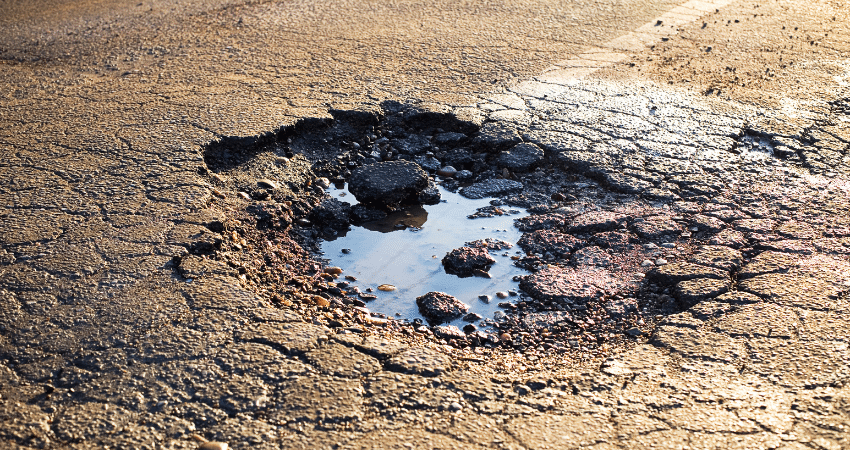
Asphalt is designed to be flexible, but winter conditions often push it to the limit. Rapid decreases in temperature cause pavement contracting and daytime highs that are warmer cause the surface to expand again. When this occurs in a repeating cycle, the internal stresses within the asphalt are compromised, particularly if there are existing cracks or if the sealcoat has been compromised. Also, when snow, ice or freezing rain finds its way into the cracks, the moisture will expand within the pavement and weaken the binder that holds the aggregate together.
The base layer under an asphalt surface can absorb water and freeze, even with the best installed asphalt surface, if not prepared for the season. A weaker base can lead to warping, potholes, and widespread cracking once heavier vehicles travel across the asphalt. If the asphalt is prepped before the weather patterns begin, the homeowner or property manager can lessen the night time stress on the pavement along with slowing the future degradation of the asphalt surface in the long term.
Clean the Surface Before Cold Weather
Moisture trapped underneath debris is one of the major winter enemies for asphalt surfaces. Leaves, dirt, and organic debris keep moisture from evaporating and redistribute it on top of the asphalt surface. When the temperatures drop, the moisture will remain trapped, freeze and expand, and begin separating the first layer of the asphalt. A thorough cleaning will massively reduce how much moisture can redistribute and remain on the surface of the asphalt, thus reducing the shattering chance of forming ice in an uneven manner in the pavement.
Pressure washing, sweeping, or utilizing a power blower can all be advantageous in preparation for sealcoating or crack filling. Getting rid of existing surfaces will also uncover small cracks that had been concealed under debris, allowing for repairs to be made prior to winter storms trapping cracks under snow.
Repair Cracks and Potholes
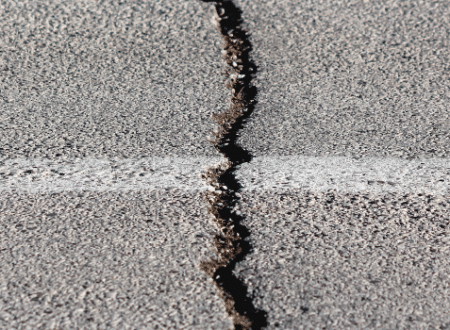
Every crack, no matter the size, is an entrance for water. Minor surface cracks can develop into major structural problems by the end of winter if not repaired. Crack filling prevents water penetration by sealing the opening, using a flexible and weather-resistant material, which accommodates the movement of the pavement due to temperature fluctuations.
Potholes should also be repaired in the fall, before the cold weather arrives. Typical cold-patch asphalt is for pothole repairs as a temporary solution but hot-mix or warm-mix repairs are far more strong when repaired before early winter. Pothole repair also stabilizes the level of the pavement to halt water from reaching the sub-base, which suffers the most damage from freeze-thaw cycles.
Signs a Repair Is Needed on Your Asphalt
- Jagged surface cracks that widen after rain
- Potholes with crumbling edges
- Alligator cracking that suggests deeper base deterioration
- Raised or sunken spots caused by shifting of the soil
- Water pooling on the asphalt rather than draining off
Winter Asphalt Preparation
A little preparation goes a long way when it comes to maintaining asphalt through the winter. Addressing small issues now helps your pavement withstand moisture, ice, and fluctuating temperatures.
Sealcoating Ahead of Freezing Conditions
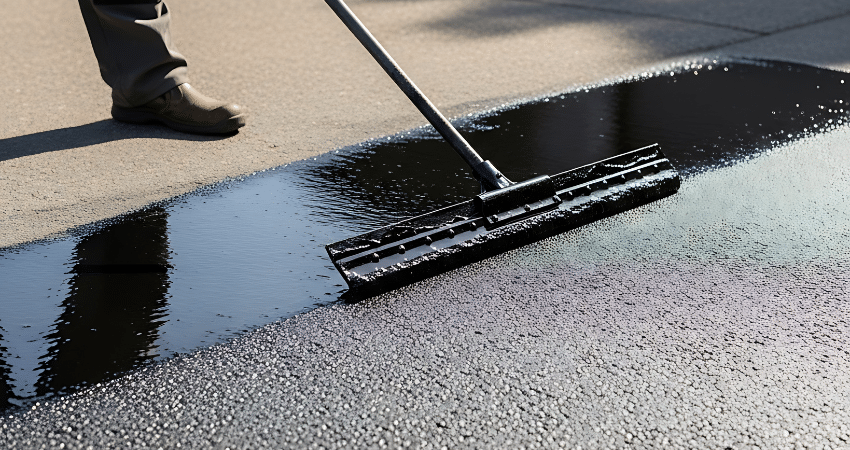
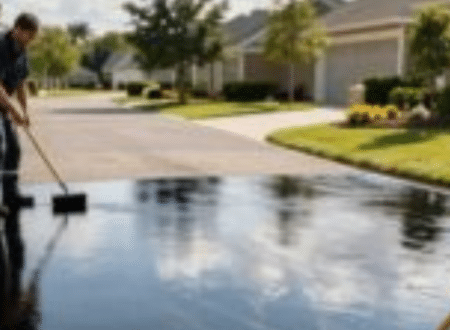
Sealcoating is a protective layer that saves asphalt from water, salt, ice, and oxidation. Without a sealcoat, the binder in the pavement becomes brittle, and readily cracks in the stress of winter. Sealcoat should only be applied in warm-enough temperatures for curing, usually 50°F or higher plummets. Late fall applications fail because it doesn’t sufficiently dry to stay put for peeling or surfacing issues later in the season.
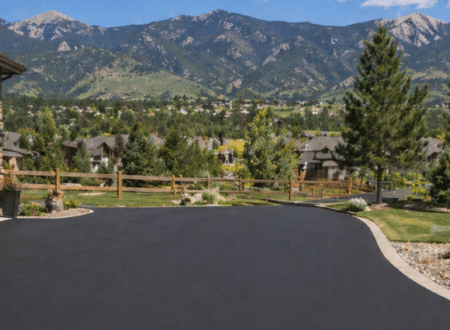
If taken care of earlier in summer, it will cure enough to develop a watertight shield that prevents freeze, thaw cycles from wicked at the surface of the asphalt. A sealcoat restores a smooth dark finish that improves traction for vehicles and aids in snow removal. Plows and shovels will glide over a sealed base that helps reduce the chances for gouging and scratching.
Enhance Drainage to Relieve Ice Accumulation
Water is the most detrimental winter element for asphalt, especially if there is no drainage. Throughout the winter season, standing water will freeze, which creates internal pressure and damages the asphalt structure. It is important to check all of your pavement for drainage challenges before winter. Low areas, clogged drains, and areas sloped incorrectly will hold water longer than intended.
Improving drainage, cleaning out gutters, and fixing areas that pond water will start to help the surface shed moisture in a timely manner. On larger properties, trench drains or adjustments to curbs may be needed to ease meltwater away from asphalt. Even small adjustments will help dramatically with heavy freeze–thaw cycles.
Shield Asphalt During Snow Removal
It’s important to be mindful of your asphalt when the snow begins to pour. Just because winter’s here doesn’t mean you can forget about protecting your surfaces. The methods used to clear snow and ice can really impact the condition of the asphalt.
Think about those metal plows; they can scratch or damage asphalt that’s already feeling the effects of the cold. Making the switch to rubber-tipped blades or using plastic shovels is a much kinder option that helps prevent those unsightly marks. De-icing has a role too. While rock salt is responsible for melting ice, it can gradually wear down the material that holds the asphalt together. If you’re looking for gentler options, calcium magnesium acetate and sand are great choices. These keep things safe by enabling traction without causing harm.
Guarding Surface Against Winter Degradation
Ignoring pre-winter asphalt care leaves your surfaces vulnerable to destructive forces. The hidden enemy is the relentless freeze-thaw cycle, which exploits structural weaknesses in the pavement. If you treat preparation as a necessary investment, you’ll effectively seal off water intrusion and neutralize internal stress. This disciplined approach secures your surface’s integrity, guaranteeing longevity and maximizing predictability.
How to Prepare Your Asphalt for Winter FAQ’s
Winter freeze-thaw cycles and moisture crack asphalt and damage its base without the right prep.
Check for cracks, potholes, water pooling, or uneven surfaces before winter starts.
Clean debris, fix cracks and potholes, apply sealcoat in warm temperatures, and drain water.
Yes. Metal plows and rock salt can damage surfaces. Use rubber-tipped plows or gentler de-icers.
Sealcoat prevents water damage, reduces winter cracking, and strengthens asphalt for snow removal.