
Your asphalt pavement is a significant investment that requires regular maintenance to ensure its durability. Without proper protection, it can deteriorate prematurely due to exposure to harmful elements like UV rays, water penetration, and oil spills.
Professional sealcoating creates a protective barrier against these damaging factors, extending the life of your pavement. By utilizing high-quality sealer and specialized application techniques, you can prevent costly repairs or complete replacement.
Understanding the importance of timely sealcoating can help you make informed decisions about your pavement maintenance strategies. This initial investment typically pays for itself many times over by preventing extensive damage and extending the useful life of your asphalt surface.
Table of contents
The Importance of Asphalt Protection
The importance of protecting your asphalt cannot be overstated. Exposure to the elements, heavy foot traffic, and vehicular use can damage your pavement, causing it to deteriorate and become vulnerable to cracks, potholes, and other forms of damage.
Signs Your Pavement Needs Attention
Signs that your pavement may need sealcoating include a faded or discolored appearance, visible cracks or alligator cracking, potholes or uneven surfaces, excessive wear and tear, and loose or crumbling materials. Regular inspection can help identify these issues early.
The Cost of Neglected Asphalt
Neglecting your asphalt pavement can lead to minor issues escalating into major problems like alligator cracking, potholes, and structural failure, which are significantly more expensive to repair. The financial impact extends beyond repair costs to include potential liability issues, decreased property value, and negative impressions on customers or visitors.
What Is Professional Sealcoating?
Professional sealcoating involves applying a specialized coating to asphalt surfaces to shield them from the elements. This protective layer is crucial for maintaining the integrity and appearance of your asphalt.
How Sealcoating Works
Sealcoating works by applying a protective asphalt emulsion that penetrates the surface pores of the asphalt. This process replenishes lost oils and binding agents, creating a water-resistant shield that prevents moisture infiltration. The result is a durable protective barrier that extends the life of your asphalt.
DIY vs. Professional Application
While DIY sealcoating products are available, professional application offers significant advantages. A professional contractor has access to commercial-grade material, including asphalt emulsion sealcoat, and the expertise to apply it correctly. This ensures proper coverage, adhesion, and curing for maximum effectiveness and longevity.
Professional sealcoating is not just about applying a coat; it’s about protecting your investment. By choosing a professional service, you ensure that the job is done right, using the right water-based or asphalt emulsion sealcoat for your specific needs.
Benefits of Professional Sealcoating
Professional sealcoating offers numerous benefits for your asphalt surfaces, including extended lifespan and improved curb appeal. By applying a protective sealant layer, you can significantly enhance the durability and appearance of your pavement.
Extended Pavement Lifespan
Sealcoating significantly extends the lifespan of your asphalt pavement by creating a protective barrier against UV radiation, water penetration, and chemical spills. Studies show that properly maintained and regularly sealcoated asphalt can last up to 30% longer than untreated surfaces.
Enhanced Appearance and Curb Appeal
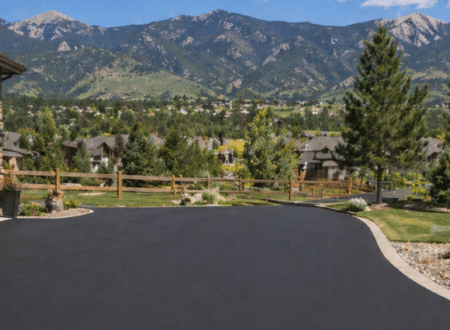
Beyond protection, sealcoating dramatically enhances the appearance of your pavement by restoring its rich, black color and providing a uniform, clean-looking surface. The enhanced appearance of freshly sealcoated surfaces creates positive first impressions for businesses, potentially increasing customer traffic and property value.
Cost-Effective Maintenance Solution
As a preventative maintenance measure, sealcoating is significantly more cost-effective than repairing or replacing damaged asphalt. Professional sealcoating creates a smoother surface that’s easier to clean and maintain, reducing ongoing maintenance costs and effort.
Types of Sealcoating Materials
When it comes to protecting your asphalt, the type of sealcoating material used is crucial. Different materials offer varying levels of protection, durability, and environmental impact.
Asphalt Emulsion Sealers
Asphalt emulsion sealers, such as MasterSeal, are water-based products containing asphalt particles suspended in water. They are environmentally friendly options that emit fewer volatile organic compounds (VOCs) during application. These sealers provide excellent protection against water infiltration and UV damage.
Coal Tar Emulsion Sealers
Coal tar emulsion sealers are derived from coal tar and are known for their exceptional resistance to fuel and oil spills. They are ideal for high-traffic areas like gas stations and airports. However, they have faced environmental and health concerns due to their higher content of polycyclic aromatic hydrocarbons (PAHs).
Specialty and Environmentally Friendly Options
Specialty sealcoating materials, including acrylics and polymer-modified formulations, offer enhanced performance characteristics. Environmentally friendly options like ColorPave HD500 have gained popularity as property owners seek sustainable alternatives. Professional contractors can recommend the optimal sealer type based on your specific needs and local regulations.
The Professional Sealcoating Process
The professional sealcoating process is a multi-step procedure that ensures your pavement is properly protected. This process involves several key stages to guarantee a high-quality finish and maximum durability.
Surface Preparation
Surface preparation is critical, involving thorough cleaning of the pavement to remove debris, oil stains, or other material that could interfere with the sealant’s application. This step ensures the pavement surface is clean and ready for the sealcoat.
Crack and Pothole Repair
Before applying the sealcoat, any existing cracks or potholes are addressed to create a smooth, even surface. This prevents water from penetrating beneath the pavement and causing further damage.
Sealant Application Techniques
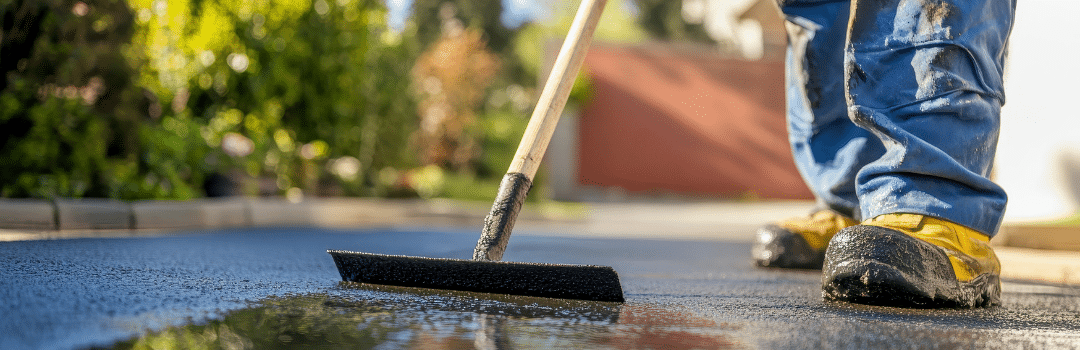
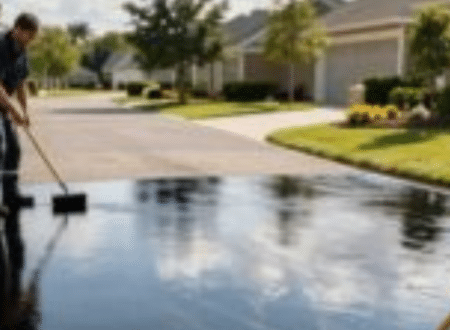
The sealcoating material is applied using specialized equipment, such as spray systems or squeegees, to ensure even coverage. Professionals select the appropriate application technique based on the specific pavement conditions and material being used.
Curing and Final Inspection
After application, the sealcoat requires adequate curing time, typically 24-48 hours, during which the area must remain closed to traffic. A final inspection ensures the sealant has been applied correctly and the surface is ready for use.
When to Schedule Professional Sealcoating
Determining the ideal time for professional sealcoating is crucial for maximizing its effectiveness. The timing of your sealcoating project can significantly impact the performance and longevity of your pavement.
Optimal Weather Conditions
The success of your sealcoating project depends on optimal weather conditions. Temperatures between 50-90°F (10-32°C) with no rain in the forecast for at least 24-48 hours after application are ideal. Humidity levels and surface temperatures also play crucial roles in the curing process.
- Spring and fall typically offer the most favorable conditions for sealcoating in most regions.
- Avoiding extreme heat or cold is essential to ensure proper curing.
Recommended Frequency
The recommended frequency for sealcoating varies depending on traffic volume, climate, and pavement condition. As a general guideline, resealing every 2-5 years is recommended to maintain optimal protection.
- For commercial properties with high traffic volumes, sealcoating is typically recommended every 2-3 years.
- Residential driveways with lighter use may extend to every 3-5 years between applications.
- Professional contractors can help establish an optimal maintenance schedule for your specific property.
By understanding the optimal weather conditions and recommended frequency for sealcoating, you can ensure that your pavement receives the best possible protection. Professional sealcoating services can provide temporary traffic control measures and clear instructions about when the pavement will be ready for use following application.
Professional Sealcoating Conclusion
To keep your pavement in top condition, it’s essential to understand the benefits of professional sealcoating.
Investing in professional sealcoating is a proactive approach to protecting your asphalt investment. By doing so, you can extend the lifespan of your pavement surfaces and maintain their performance. A well-maintained pavement not only enhances the appearance of your property but also contributes to its overall value.
Professional sealcoating provides long-term protection against the elements, delaying the need for costly repairs or replacement. Experienced contractors use high-quality sealcoating materials and techniques to ensure maximum durability. This approach also allows for customization to meet specific needs, such as color-coded surfaces for parking lots or playgrounds.
By incorporating professional sealcoating into your maintenance program, you can save money in the long run and avoid unexpected expenses. This proactive strategy protects your investment while enhancing safety, functionality, and aesthetic appeal for all who use your paved surfaces.
Professional Sealcoating FAQs
Asphalt emulsion sealcoating is a water-based solution that provides a flexible, breathable barrier against water and damage, while coal tar emulsion sealcoating is a more durable, oil-based solution that offers superior resistance to chemicals and heavy wear.
The frequency of sealcoating depends on factors like climate, traffic, and pavement condition. Typically, you should sealcoat your asphalt every 2-3 years to maintain its durability and appearance.
While it’s possible to apply sealcoating yourself, hiring a contractor ensures a proper application, as they have the necessary equipment and expertise to prepare the surface and apply the sealant correctly.
Environmentally friendly sealcoating products are made with fewer harsh chemicals, reducing the environmental impact and making them a safer choice for your employees, customers, and the surrounding ecosystem.
The sealcoating process typically takes a few days, depending on the size of the area and the number of coats applied. Optimal weather conditions for sealcoating are dry, mild temperatures, usually between 50°F and 85°F, with low humidity.

2 Comments
Comments are closed.