sealcoatadmin

administrator

Freeze-Thaw Cycles: Colorado Asphalt Damage

Have you ever wondered why Colorado’s roads and highways seem to be in constant disrepair? The answer may lie in the state’s unique climate and the relentless freeze-thaw cycles that wreak havoc on asphalt surfaces. In this article, “Freeze-Thaw Cycles: Colorado Asphalt Damage, we’ll explore how this natural phenomenon contributes to the degradation of Colorado’s infrastructure and […]

READ MORE

Asphalt: Best Choice for Colorado Parking Lots

Ever wonder why Colorado parking lots stay strong all year? The answer might be simpler than you think. Asphalt is the top choice for parking lots. But how well does it really hold up? Your choices matter when picking a new parking lot or updating an old one. The right pavement is key in Colorado, where […]

READ MORE

Seal Coating Asphalt in Cold Weather: Colorado Guide

In Colorado, 75% of homeowners and property managers could save on maintenance by seal coating on time. Whether it’s your driveway or a commercial lot, knowing about seal coating in cold weather is key. Regular seal coating can extend your asphalt’s life from 15-20 years to 30 years or more with proper care. As seasons […]

READ MORE

Winter Asphalt Cracking in Colorado: Causes Explained

Colorado’s winters are tough, with many freeze-thaw cycles and big temperature swings. This makes asphalt pavements wear out faster. Moisture is getting in, and extreme temperatures cause cracks, potholes, and damage. Knowing why winter asphalt cracking happens is key. It helps managers and homeowners fix problems and make their roads and driveways last longer.

READ MORE

Top Benefits of Asphalt Paving for Colorado Driveways

Is your driveway ready for Colorado’s harsh climate and to boost your home’s look? Asphalt paving is a great choice for durable, easy-to-care-for driveways. It’s a popular pick in Colorado for many reasons.

READ MORE

Minimizing Asphalt Cracks in Colorado Winters

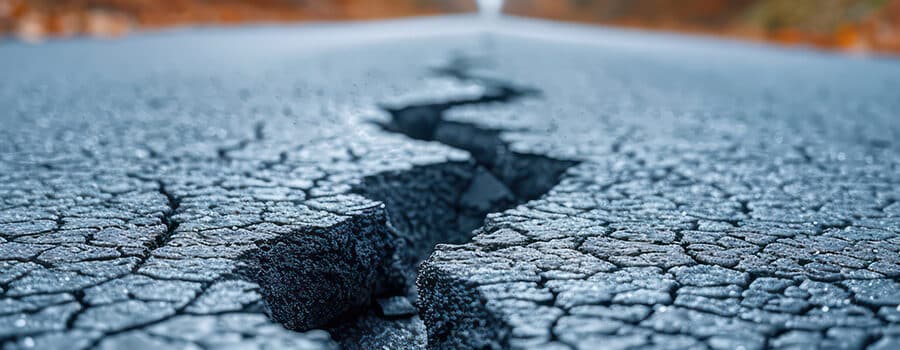
Colorado’s climate and high altitude are tough on asphalt. Extreme temperatures and harsh winters mean we must act fast to prevent cracks. Keeping your asphalt in good shape is key to safe and durable roads. The freeze-thaw cycle in Colorado is especially hard on asphalt. When it gets cold, water inside the asphalt expands, causing stress. Then, when it warms up, the asphalt contracts, leading to cracks and damage. Even though asphalt is more flexible than concrete, it still needs careful care to handle Colorado’s winters.

READ MORE

Cold Patch Asphalt in Colorado Winters: Effectiveness

Did you know a study by William (Skip) Outcalt found that special cold mixes work better than regular ones? This is key for Colorado’s harsh winters. The cold and salt can damage asphalt. Using special cold patch asphalt is crucial. It can handle the winter weather well and last longer, saving money on repairs.

READ MORE

Colorado Winter Road Safety: Asphalt Maintenance

Every winter, icy roads in Colorado make driving very dangerous. The streets can become so slick that keeping your car from sliding is hard. The Colorado State Patrol reported 5,337 accidents in snowy or icy conditions in just one year. This shows how crucial asphalt maintenance and winter road safety are.

READ MORE

Colorado Winters & Asphalt: Impacts and Solutions

Living in Colorado means facing tough winters on our roads and surfaces. You might wonder how Colorado winters impact asphalt and how to reduce damage during these harsh months. The key to protecting asphalt in cold climates is a mix of science, timely care, and planning.

READ MORE

Crack Sealing vs. Seal Coating: Colorado Asphalt Care

Did you know that regular crack sealing can extend your pavement’s life? It stops water from weakening the base. Colorado’s weather is harsh, and understanding the difference between crack sealing and seal coating is key. Crack sealing uses a hot, rubberized sealant to remove water and harmful substances.

READ MORE